


|
Obteniendo su trinidad de audio jugador listo...
|
“I am concerned.” “A breach of trust.”
This is what we heard from San Jose councilmembers at the recent Rules Committee hearing on the misuse of the city’s Flock license plate reader system. These are appropriate words. But concern is not enough.
A San Jose police officer used the department’s Flock system to share a woman’s location with his cousin who was accused of abusing her.
Imagine for a moment how this woman must have felt. She had done precisely what victims of domestic violence are told to do: She sought help. She trusted the institutions of her city when she told them that she was afraid of someone. And the city’s surveillance infrastructure allegedly helped that person find her. What could be a more literal breach of trust?
Of course, the individual responsible should be punished and the rules should be tightened. Yet this is not a problem with an individual, the problem is systemic. It was predictable. It was predicted. So while what happened in San Jose is shocking, it is not surprising.
The people most vulnerable to surveillance are simply the first to feel what it enables: domestic-violence survivors (officers have used Flock to stalk ex-partners and romantic interests across the U.S.); immigrants (police searches have exposed Connecticut Flock data to immigration enforcement); and protesters (California agencies have searched Orange County’s Flock system for anti-ICE protesters).
“These are just bad apples, isolated cases” we hear from Flock defenders. But time and time again, these “exceptions” follow from a basic property of surveillance infrastructure: Once information is collected, its use expands beyond the original reason given for collecting it.
If you build a tool which takes a picture to answer “Where was the suspect’s car?” it’s not hard to then make it answer “Where was my ex?” or “Where was this immigrant?” or “Who came to this mosque?”
You cannot prevent surveillance creep through better guardrails. Mountain View learned that this year. Despite supposedly strict policies requiring the city to approve agencies individually, more than 250 unapproved agencies conducted roughly 600,000 searches of its Flock data en un solo año
Stop telling us that one more layer of guardrails will make mass surveillance safe. The failure is built into the system itself.
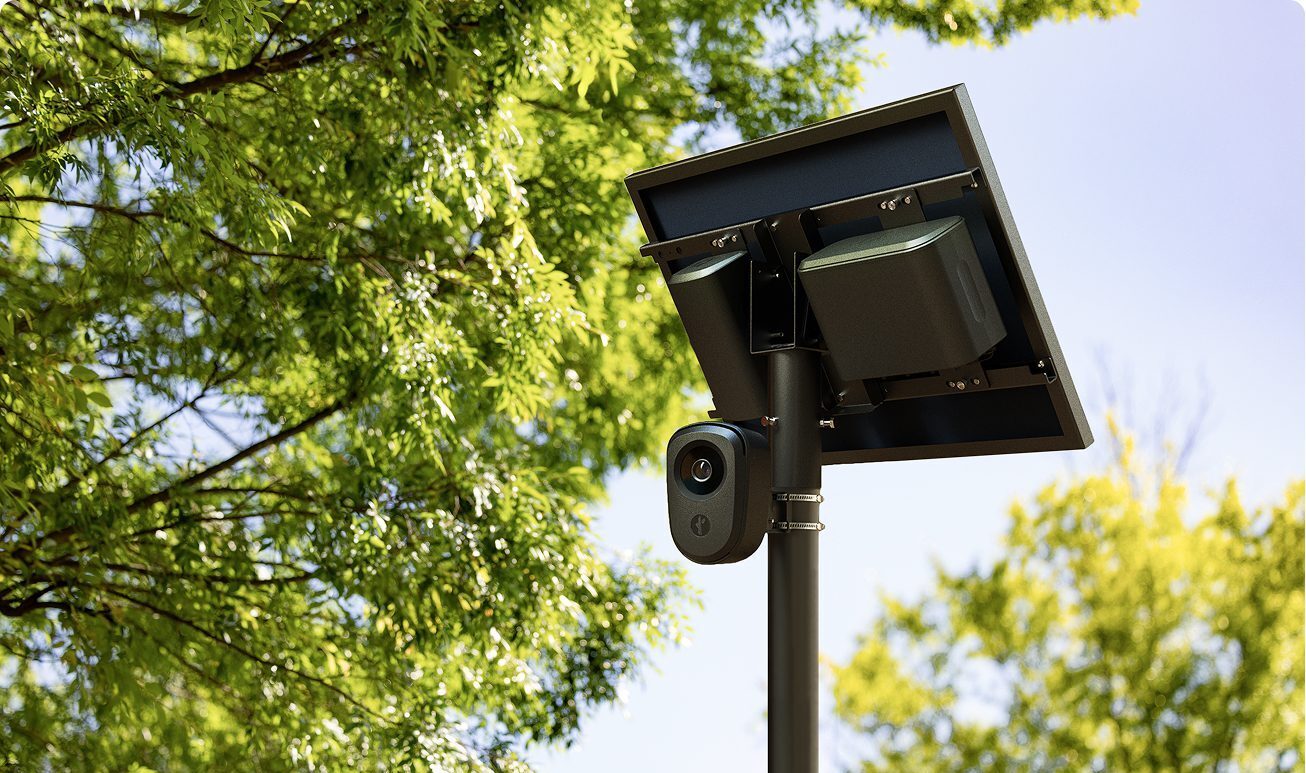
As a member of the Safety Over Surveillance coalition, I am asking San Jose to stop subjecting its residents to mass surveillance and immediately suspend the Cámaras de bandada.
Councilmembers are right to be concerned. The woman whose safety was compromised had considerably more than concern at stake. San Jose now has an opportunity to show us that when it calls something a breach of community trust, those words have consequences.
Mariya Genzel is the lead of Blue Turn Indivisible, a partner in the Safety over Surveillance coalition.
Deje un comentario
Debes iniciar sesión para publicar un comentario.