


|
Obteniendo su trinidad de audio jugador listo...
|
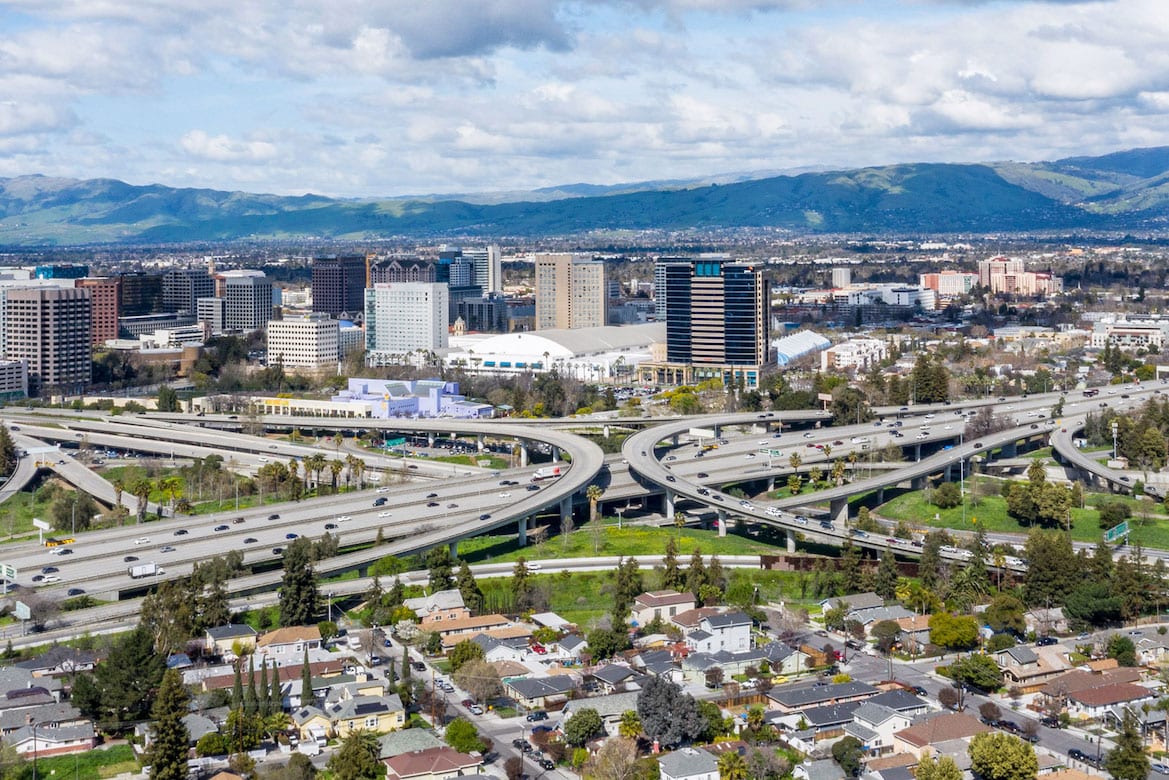
Santa Clara County property values have increased faster than last year, although overall growth has remained below 5% as economic uncertainty and changes in the real estate market continue to shape the region.
The total net assessed value of all real estate and personal property — known as the assessment roll — reached a record $760.1 billion for the 2026-27 fiscal year, up by $34.4 billion from the previous year, a 4.7% rise compared to just more than 4% in 2025, according to the annual report from the Assessor’s Office.
Changes in property ownership accounted for nearly $16.9 billion of the growth. Residential properties accounted for 82% of the value change and 49% of overall growth. The annual inflation adjustment under Proposition 13 added another $13.1 billion.
“The cost of money (mortgage rates) will be significant, potentially restricting sales transactions, which is the biggest driver of roll growth,” Santa Clara County Assessor Neysa Fligor le dijo a San José Spotlight.
New construction added nearly $5 billion to the growth, including investments in multifamily housing, office buildings and data centers. But uncertainty in parts of the commercial real estate market continues to moderate growth, according to report. The number of commercial properties receiving assessment reductions increased 36%, while the value of those adjustments rose 24%.
Commercial real estate services firm CBRE reported that Silicon Valley office leasing reached more than 4 million square feet in the third quarter, its highest quarterly total since 2019. The office vacancy rate fell to 14.1% from 15.1% in the previous quarter, according to the firm’s último informe de mercado.
Geoff Gonzalez, managing director and Silicon Valley market leader for CBRE, said the recovery has been concentrated in higher-quality buildings. Class A properties accounted for about 86% of office leasing activity in Silicon Valley during the third quarter.
“There’s very strong leasing,” Gonzalez told San José Spotlight. “There’s good sales right now, so I wouldn’t say we aren’t completely on fire. But the market has really turned and there’s a lot of activity.”
California’s property tax rules also shape how changes in the real estate market affect assessed values. Proposition 13 generally limits annual increases in assessed value to 2%, while Proposition 8 allows temporary reductions when a property’s market value falls below its assessed value under Proposition 13. Santa Clara County placed 24,727 properties in Proposition 8 decline status this year, nearly triple the previous year, with reductions driven primarily by condominiums and townhomes.
Andrew Oldham, a residential real estate agent with Compass, said some homes in the county priced below $2 million — townhomes and condos — have lost value in recent months as higher interest rates and seasonal trends weigh on the market.
“The Los Altos-Palo Alto luxury market is pulling that number up, but I suspect the decline in (fair market value) on ‘affordable’ homes is going to begin to have an impact,” Oldham told San Josè Spotlight. “The K-shaped economy (is) having a real impact in Santa Clara County.”
A K-shaped economy is one in which wealthier households and higher-end markets continue to grow while lower- and middle-income households face financial strain, creating diverging economic outcomes.
The growth in assessed property values varied across the county, according to the report. Sunnyvale recorded a more than 7% increase in growth, while Santa Clara saw growth of roughly 3.7%.
Jonathan Hanhan, a commercial real estate professional with Compass, said rising interest rates have put downward pressure on commercial property prices over the past three years. But he said prices appear to have bottomed out and are beginning to rise again, with investment in artificial intelligence infrastructure helping drive activity across the region.
“There’s this huge opportunity to grow and do more volume because AI supplements our work,” Hanhan told San Josè Spotlight.
Looking ahead, mortgage rates, inflation and policy changes could all affect the county’s assessment roll. Fligor said uncertainty surrounding state building requirements and local regulations for data centers and other artificial intelligence-related businesses could also influence future growth.
“We also can’t ignore the political climate — national, state and local — and its impact on the real estate market,” Fligor told San José Spotlight.
[email protected] o @CasasPerezRed en X.
Deje un comentario
Debes iniciar sesión para publicar un comentario.