


|
Getting your Trinity Audio player ready...
|
This month’s column falls on the first day of Kwanzaa, the day of Umoja — unity, which calls us to stand together to solve problems that threaten our very existence.
In Santa Clara and San Mateo counties, there is no clearer example of the heightened risk to Black life than what is happening to Black mothers and babies. At the time we recorded the “Genocide in Slow Motion” episode of the “Dying to Stay Here” podcast, Black infants in both counties were dying at 7.9 deaths per 1,000 births while making up roughly 2% of the population. Today that rate has climbed to 8.3 deaths per 1,000. Black mothers in these counties die from pregnancy-related causes at 69 deaths per 100,000 births, four to nearly nine times the rate of other groups.
If we do not unite to confront this genocide in slow motion, Black people in our counties will quietly disappear.
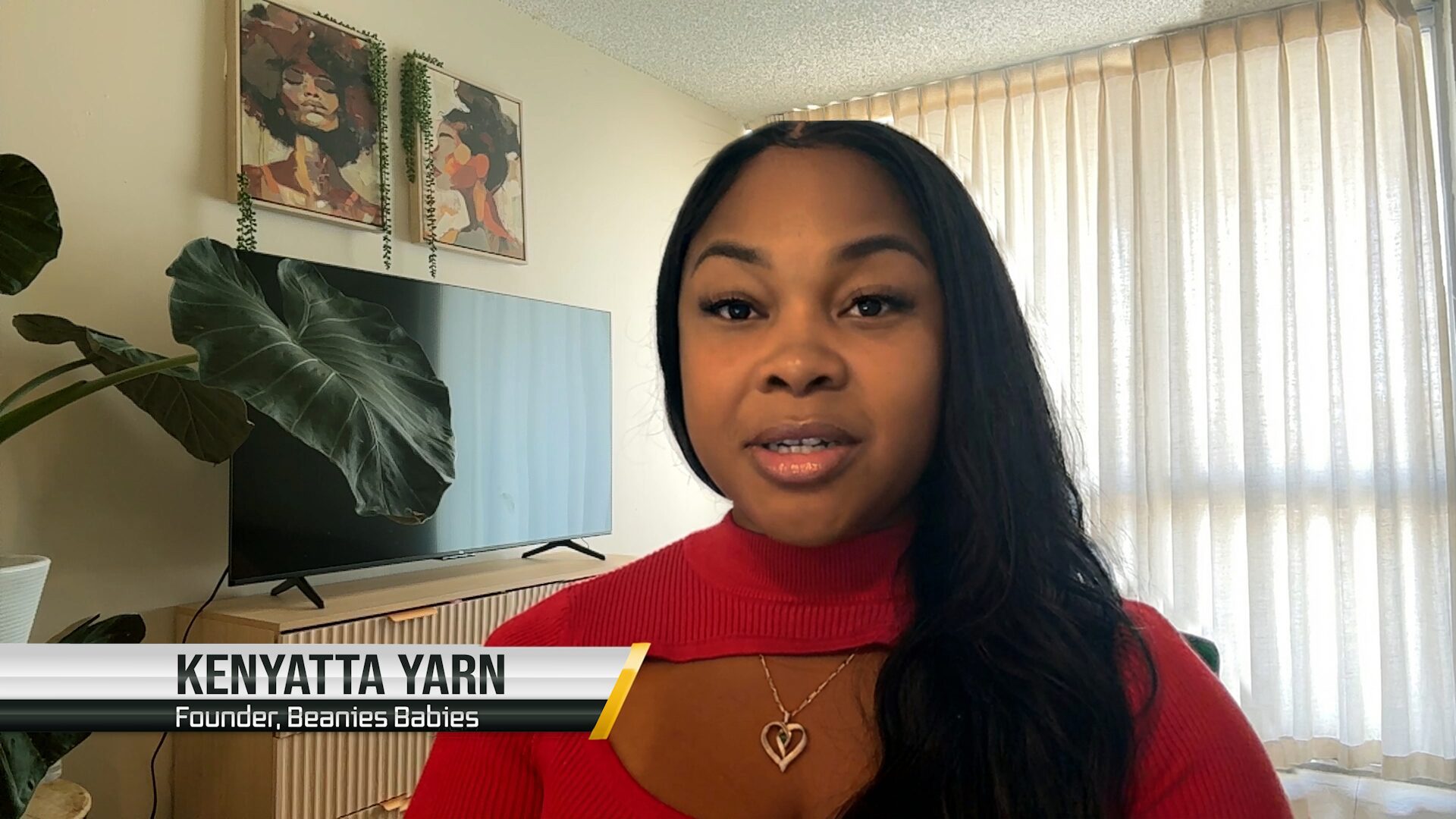
When I sat down with San Jose resident Kenyatta Yarn, she described doing everything we tell expecting mothers to do. She kept consistent prenatal appointments, saw her doctors at least twice a month and intentionally chose one of the very few Black OB-GYNs she could find in Santa Clara County. She joined the county’s Black Infant Health program, which in her words, “became extended family,” checking on her and connecting her to other resources before and after her son Kristopher’s birth.
However, when Kenyatta went into labor in 2021, everything she had done “right” seemed to vanish from the record. She crawled down a hallway of her residence in pain so intense she could not walk and was driven to Kaiser Redwood City, where staff told her she was not ready to give birth and insisted she return home.
“I don’t feel safe going home. I can’t walk … something is clearly happening,” she said.
As they prepared to send her home, she stood up and her water broke all over their feet, forcing the nurse to admit she was in active labor. There was no apology for ignoring her pain.
“Clearly, I wasn’t crazy,” Kenaytta told me. “They didn’t see my pain enough to believe it.”
As labor progressed, a terrifying pattern took hold. While lying in bed, she began to shake with chills that blankets could not touch and developed a searing pain along the right side of her neck.
“The pain was so severe that even through the pushing, the pain in my neck was more intense than what pushing … was doing,” she said.
She said it quietly, then louder, then finally screamed, “Everybody, stop everything. Something is happening here, and you’re not listening to me. Listen to me.”
Her mother and sister repeated her words, yet she still felt invisible.
“Can you imagine,” she asked, “begging and pleading and crying for help, and everyone acts like they don’t hear you?”
After a vacuum-assisted delivery in which the device broke and flew across the room, a moment she recalled watching the nurses turn “white as ghosts,” Kenyatta watched her newborn son and felt her stomach drop as she told the nurse, “I think my baby is having seizures.” She said it again, hours later, to a doctor: “I’ve been telling you for three, four hours now he’s been having seizures.”
Over and over, she was told by medical staff that she was exhausted and needed rest. Only after Kristopher was transferred to Kaiser Santa Clara did staff acknowledge within minutes what she had seen all along: her baby was seizing and needed to be rushed to a higher-level NICU at Lucile Packard Children’s Hospital. A team of specialists surrounded his bed and delivered a devastating prognosis in clinical language that felt to her like a mechanic explaining bad brakes. Kristopher would never drink milk, never cry, never meaningfully develop, and she should consider letting him go.
Kenyatta, 5 feet tall, less than a day postpartum, stood up in a room full of white coats and drew a line.
“I respect your professional opinions,” she told them, “but you are not God. You do not determine what lives or what dies on this earth … You are not going to dictate what happens with my child.”
She demanded they reduce his sedation and give him a chance. When they did, Kristopher proved them wrong by latching, breastfeeding and crying loudly before eventually going home after 31 days in three NICUs. She enjoyed 13 months of motherhood until he succumbed to a respiratory illness.
If this were one family’s nightmare, it would still be unacceptable. It isn’t. These are not random disparities — they are the predictable results of a system that discounts Black women’s pain. County programs like Black Infant Health and the Perinatal Equity Initiative, which have improved outcomes for thousands of Black families, face uncertainty as federal cuts and attacks on race-conscious care threaten millions of dollars in public health funding.
This first day of Kwanzaa (Umoja) demands more from us than sympathy. It demands that hospitals confront racism in their training, accountability and care systems. That Black doulas and trusted advocates are embedded and paid as essential members of the care team. That Black Infant Health and similar programs are fully funded and expanded, not placed on the chopping block.
Unity must mean refusing to look away while a genocide in slow motion unfolds in our delivery rooms and NICUs. It must mean insisting that Black mothers like Kenyatta are believed the first time they say, “Something is wrong,” so mothers and their children live to light their own Kwanzaa candles.
We have to listen intently to Kenyatta’s story as she explains what’s needed to secure the lives of Black women and babies in our county: something is wrong.
Chuck Cantrell is an economist, San Jose planning commissioner and creator of “Dying to Stay Here,” a video and podcast series that explores the entrenched economic and social barriers facing Black communities in Silicon Valley. His columns appear every third Thursday of the month. Contact Chuck at [email protected].
Leave a Reply
You must be logged in to post a comment.