

There’s a particular ache familiar to many Black residents in San Jose and across Silicon Valley: the uneasy realization that when you enter a room, you will likely be the only one who looks like you, while your story fades into the background as others take center stage.
For decades, as new communities have thrived in the world’s tech capital, the deep roots, culture and resilience of Black life in the South Bay too often go unseen. With few Black voices in our political chambers, boards and commissions, and among county leadership, it is not just a missed opportunity — it’s a visible marker of deliberate and historic disenfranchisement.
We’re told to “pull ourselves up by our bootstraps,” but few appreciate how tattered our boots have become and that we have worn the souls of them off from decades spent climbing steep hills against all odds. Representation is more than symbolism — it’s the very infrastructure of progress. When our names aren’t uttered, our needs and our existence are omitted from every important conversation. Critical issues like equitable funding for Black-led organizations, fair access to health care and education and justice in public safety are too easily forgotten.
Against this backdrop, the stakes have never been higher. As of this week, the U.S. Supreme Court is actively considering a case that could fundamentally alter the Voting Rights Act of 1965, a pillar of civil rights that has helped guard against racial discrimination at the ballot box. The court’s conservative majority appears likely to strike down or weaken Section 2, which prohibits electoral maps that dilute minority voting power.
According to Harvard law professor Nicholas Stephanopulos, “States with unified Republican leadership would likely attempt to eliminate most of all minority-opportunity districts.” The implications for Black communities in Silicon Valley and beyond are seismic: It would likely lead to 27 Democratic congressional seats being lost and would take generations to recover from. Redistricting would erase our voices, diminish our political power and turn back decades of hard-won gains.
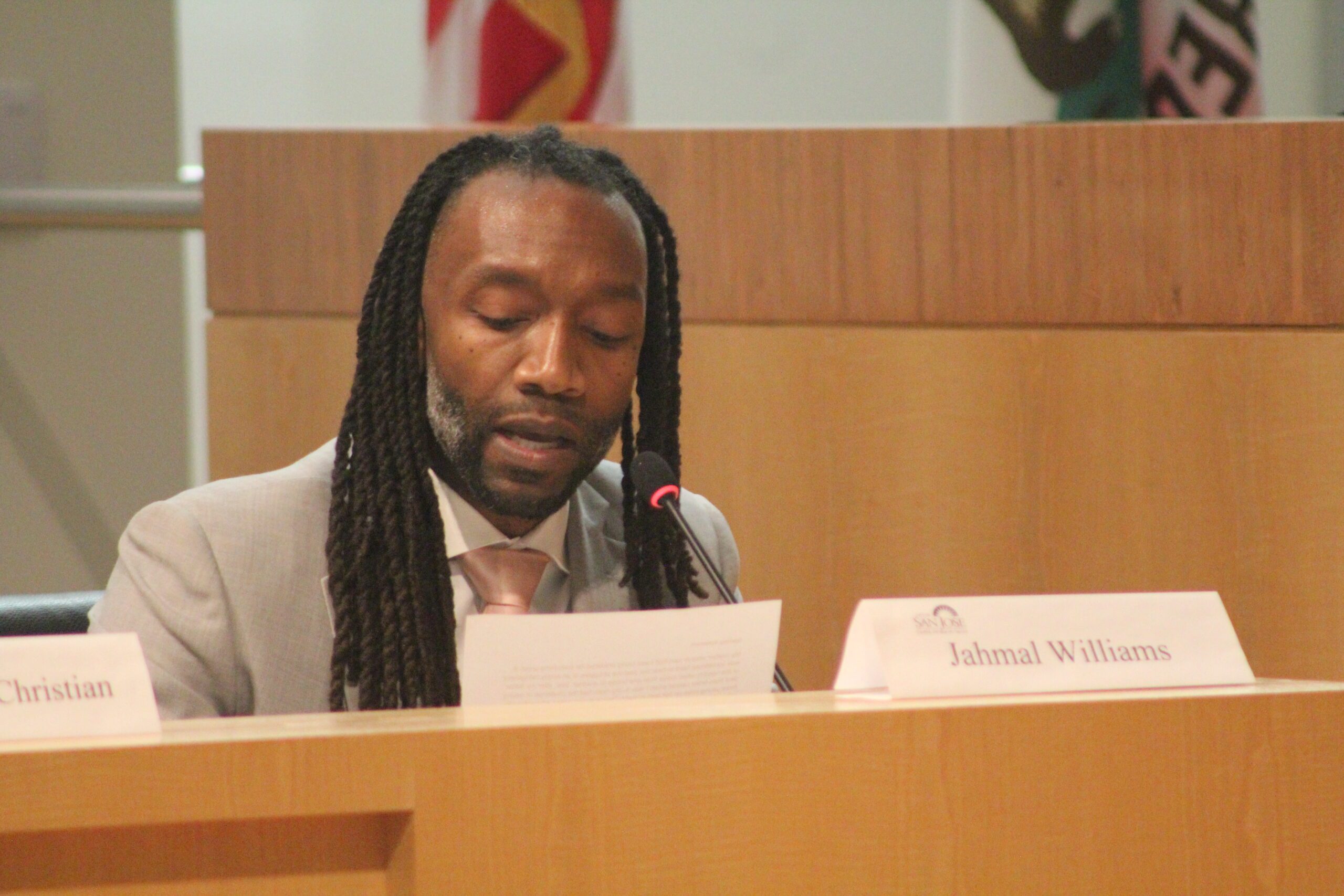
Recently, I spoke with Jahmal Williams for my “Dying to Stay Here” podcast, whose advocacy is a beacon for Black organizing in the Bay Area. Jahmal’s leadership in the Black Leadership Kitchen Cabinet, the Race Equity Action Leadership Coalition and the emerging Sawubona Collective is a study in grassroots commitment. He realizes that if we’re not in the room, if our names aren’t spoken, we risk being erased from the conversation, and this outcome rings louder than ever as protective laws come under threat.
Jahmal also reminds us, “You never want to see a community disenfranchised to the point where they don’t exist. Every community brings so much richness to this area that we need everybody to be represented and all the stories told, all the voices heard.”
The tireless volunteers of the Black Leadership Kitchen Cabinet are a union of businesses, nonprofits and individuals, organizing, advocating and building pride. The Sawubona Collective is laser-focused on what Jahmal calls “building power through our voice, through our vote and through our participation,” mobilizing Black residents from youth commissions to high office and fighting to make their presence and impact undeniable.
Jahmal reminds us that even with passionate support for his candidacy for the recent interim appointment of San Jose’s District 3 City Council seat, disappointment in the outcome brings a hard truth: It’s not enough to wait for change or rely on good intentions. We must demand and create it.
Now, as the highest court weighs gutting the Voting Rights Act, the urgency is more acute than ever. If Black life and leadership are to endure and uplift Silicon Valley, we must bind together, continually show up, speak boldly and insist that the doors we open never close for those who come after us. Our fight and our progress rest in the power of our collective voice, now more than ever.
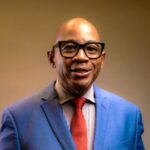
Chuck Cantrell is an economist, San Jose planning commissioner and creator of “Dying to Stay Here,” a video and podcast series that explores the entrenched economic and social barriers facing Black communities in Silicon Valley. His columns appear every third Thursday of the month. Contact Chuck at [email protected].
Leave a Reply
You must be logged in to post a comment.