


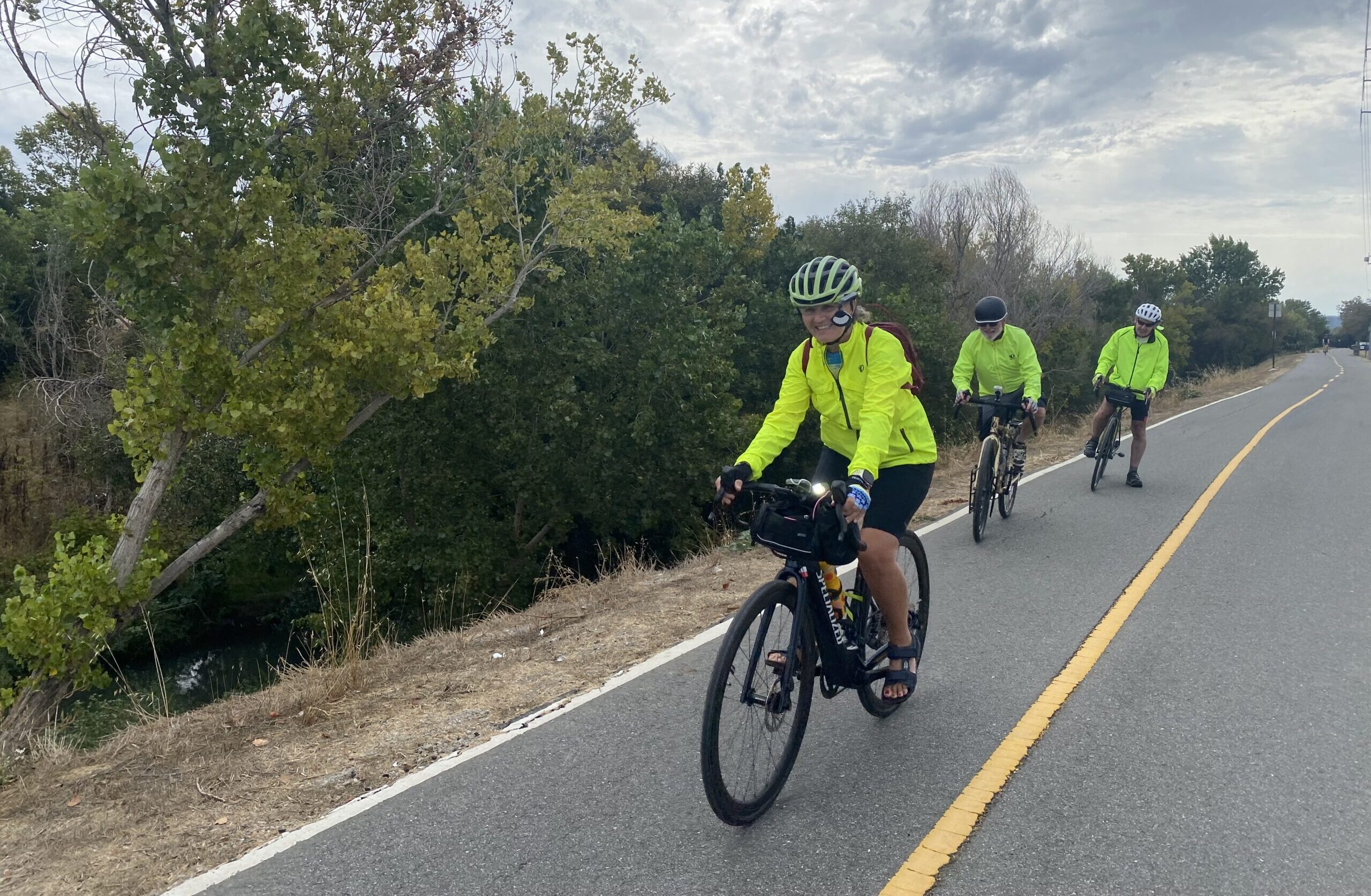
More San Jose residents are utilizing a local recreational trail following a city ban on homeless camps in the area.
That’s according to city data and environmental advocates, who also say more wildlife is returning since no encampment zones took effect last year. San Jose has worked to clear homeless people living near rivers and creeks and keep them from coming back. The mayor has previously said roughly 90% of pollution in local waterways is caused by homeless encampments, and the city is under scrutiny to comply with the Clean Water Act and reduce pollution in its waterways, or face a fine.
Several cyclists who zipped along the Guadalupe River Trail near San Jose Mineta International Airport on Thursday said they’ve noticed fewer homeless people and encampments along the trail.
“The city’s been trying to clean this for years now,” John Diquisto, one of the cyclists, told San José Spotlight. “In federal law, they can’t have all this contamination going into any river system that goes into the bay, so it’s a tough one.”
San Jose began clearing its waterways last year after the San Francisco Bay Regional Water Quality Control Board denied the city a stormwater permit because it was found to be noncompliant. The city approved a plan last February to sweep multiple homeless camps along the Guadalupe River Trail and prevent people from returning.
Data provided by the city shows Guadalupe River Trail usage increased by 110% after the city swept the area from Woz Way to Julian Street. Usage increased 36% when it cleared Julian Street to Coleman Avenue. The city continued sweeping the trail up to Interstate 880.
A parks department spokesperson said the city also measured use of the Guadalupe River Trail during peak hours — including weekday mornings and evenings — before and after enacting the no encampment ban.
The city conducts a yearly count of how many people use its trails, which has gone up and down over the years and varies by trail. The Three Creeks Trail near Willow Street decreased from 414 people using it over a 12-hour period in 2022 to 339 in 2024. The Guadalupe River Trail near Coleman Avenue has increased from 440 people in 2022 to 569 in 2024.
Jason Su, executive director of nonprofit Guadalupe River Park Conservancy, said they are seeing more people fishing along the trail and there are more sightings of deer and wild turkeys.
“It’s just all a reminder that this is a wild river with the ecosystem through it, and just by allowing it to thrive, it will show its own evidence of recovery,” Su told San José Spotlight.
The city has 21 no encampment zones, including around its eight tiny home sites, along sections of the Guadalupe River and Coyote Creek, around public spaces such as Watson Park and most recently Columbus Park.
Columbus Park has been home to several large homeless encampments that have been cleared over the years. The most recent sweep started in August, with an estimated 370 people living in the park. It has been cleared as of Monday. Almost 200 people have moved into motels recently converted to house homeless residents.
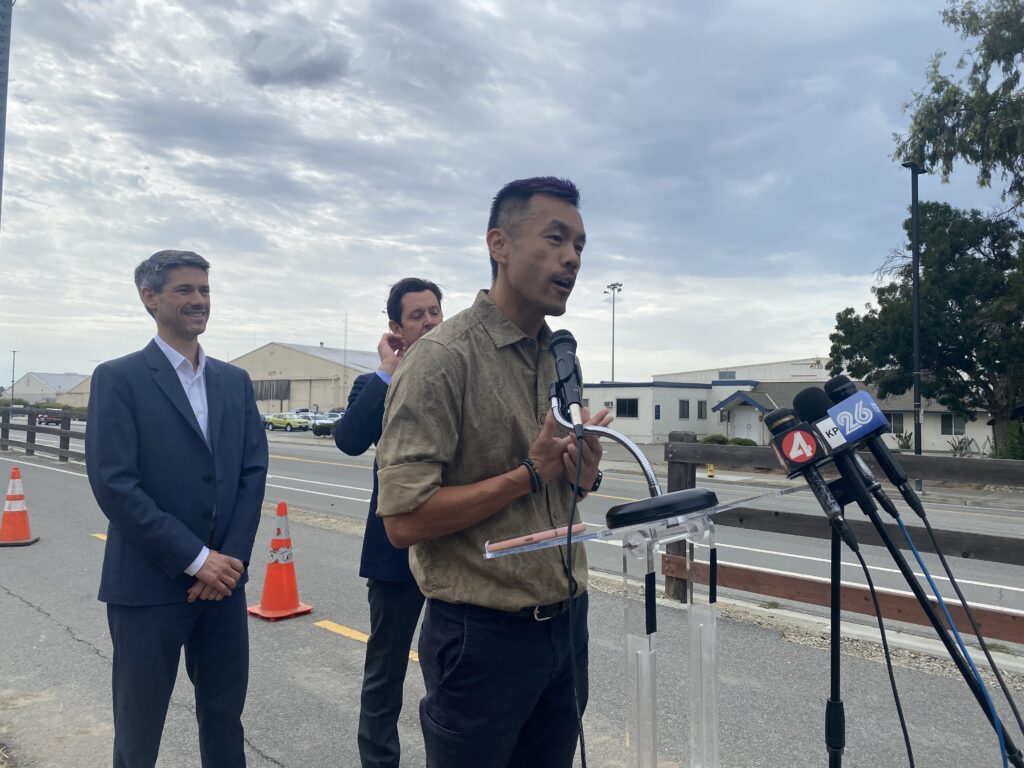
“The work around Columbus Park is just one of many,” District 6 Councilmember Michael Mulcahy, who represents the area, said at a Thursday news conference. “It’s a major piece, but just one of many investments and actions taken to make sure that we can bring this asset back to its full potential and deliver it back to the city of San Jose and all of its citizens as a regional draw.”
 Todd Langton, founder of nonprofit Agape Silicon Valley, said the city did not offer housing to most of the homeless people he knew living along the waterways.
“The creeks and the parks needed to get cleaned out. But this could have all been prevented long ago, if we’d put more effort into taking care of our unhoused,” Langton told San José Spotlight. “I wish the city would put as much effort into housing as they put into cleaning all these spaces.”
Su said in clearing the waterways, people can utilize and appreciate the beauty of the city’s natural habitats.
“Through the pandemic, more people have realized the importance of parks in increasing public health,” Su said. “All those benefits to health can only happen when the park is well maintained and the ecosystem is balanced, thriving and regenerative.”
Contact Joyce Chu at [email protected] or @joyce_speaks on X.
Leave a Reply
You must be logged in to post a comment.