


|
Getting your Trinity Audio player ready...
|
My mother has always been clear about what she wants when she dies. Don’t come to her grave crying. Bring the mariachi. Celebrate her life, the memories, the joy.
And because my mother is who she is, she never misses an opportunity to remind us of something equally important: “Bring me flowers while I’m still alive.”
I’ve been thinking about her words as our community gathers for Avenida de Altares, one of East San Jose’s most beloved cultural traditions.
Día de los Muertos invites us to see death differently. Rooted in Indigenous traditions and shaped by conquest, resistance and centuries of cultural transformation, it reminds us that death is not simply an ending. It is an opportunity to remember, celebrate and reconnect with those who came before us.
But this year, remembrance feels particularly heavy.
Across our communities, our country and the world, we are carrying profound grief. Some losses are deeply personal. Others are unfolding before our eyes, challenging our understanding of justice, humanity and our responsibility to one another.
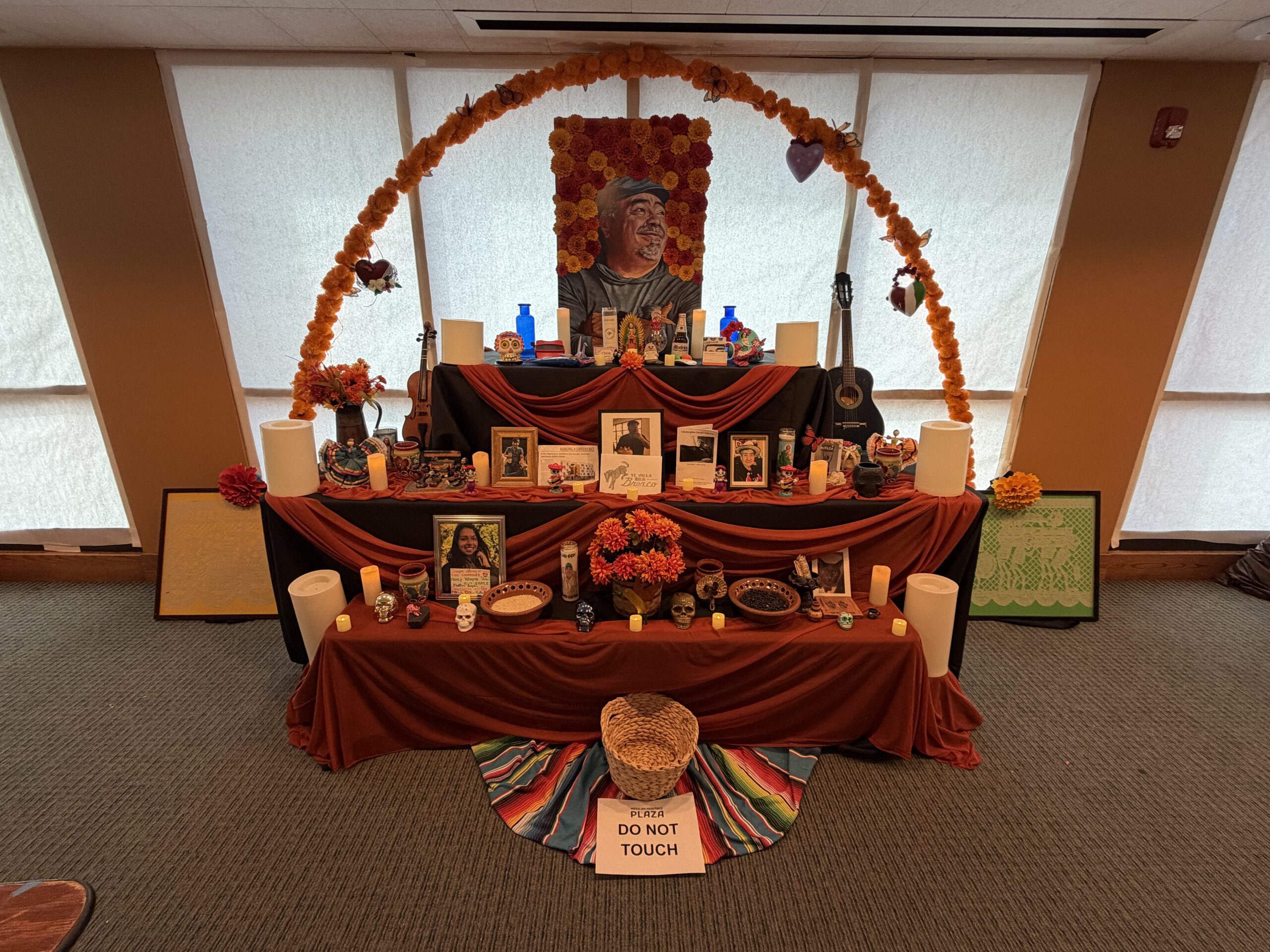
At the Mexican Heritage Plaza, we remember Chris Esparza, whose vision and dedication helped bring Avenida de Altares to life. For years, Chris championed this celebration, creating space for our community to honor its ancestors, tell its stories and preserve traditions that connect generations.
We also mourn Dolores Huerta, whose extraordinary life reminds us that progress is never inevitable. Through decades of organizing, she helped transform the farmworker movement and advance civil rights, women’s rights and immigrant justice. Her legacy is not simply what she accomplished, but what she challenged future generations to continue.
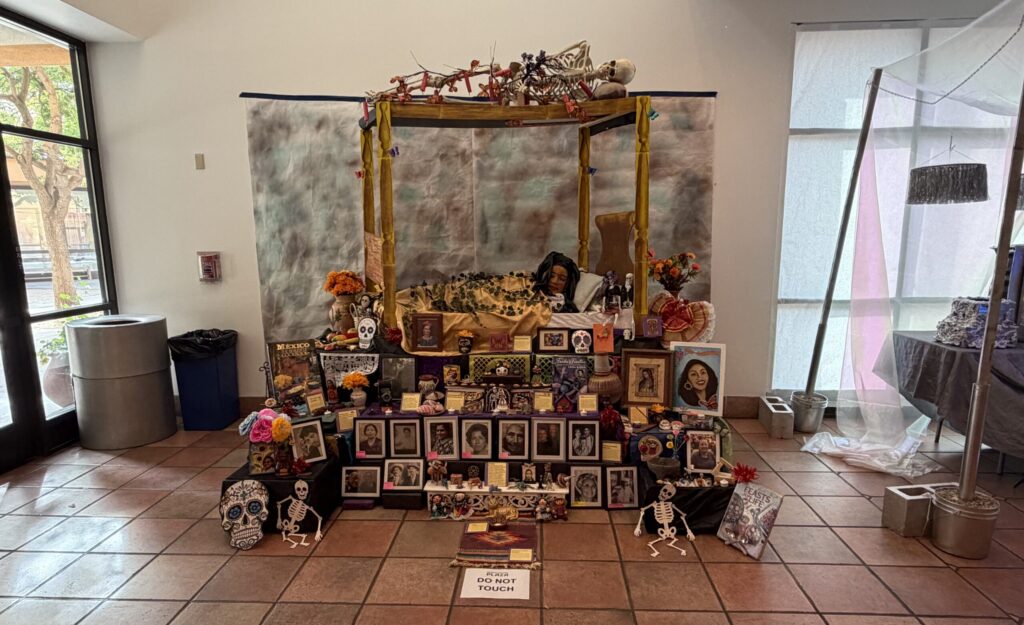
Walking through the altars at La Plaza and along East San Jose’s cultural corridor, I am struck by how much they reveal about us. Some honor parents, children and friends. Others recognize immigrants who crossed borders in search of opportunity, only to lose their lives along the way.
One installation features a rosary stretching more than 50 feet, its red beads representing lives lost along the U.S.-Mexico border since 1997. Other altars honor our grandmothers, women whose sacrifices rarely made headlines, but whose labor, love and resilience built the foundations upon which generations stand. Some confront another kind of loss: the silencing of survivors of violence whose stories have too often been dismissed or buried.
One interactive installation asks visitors to complete a simple but profound reflection:
“I release, I reclaim, the cycle ends when…”
Those words have stayed with me.
Sometimes honoring our ancestors requires confronting the injustices they endured. Sometimes it means acknowledging harm within our own communities. And sometimes it requires us to question the people, institutions and narratives we have long held in high regard.
An altar can be an expression of love. It can also be an act of resistance.
The people we honor at our altars did not live in a world separate from politics. Their lives were shaped by decisions about whose labor mattered, who belonged, who could speak freely and who had the power to determine their own future.
Those questions are still with us.
This year, Avenida de Altares took place just days before the Nov. 3 midterm election.
As we gather around the altars this Día de los Muertos, I hope we do more than remember the names and faces of those who are gone. I hope we consider what they carried, what they endured and what they hoped would be different for those who followed.
And when Nov. 3 arrives, I hope we carry those reflections with us to the ballot box, recognizing that the decisions we make today will shape the lives of generations we may never meet.
My mother has always said to bring her flowers while she’s alive. I’ve come to understand that she’s asking for something more than flowers. She’s reminding us not to wait until someone is gone to show them what they meant to us.
Perhaps we owe our communities that same consideration.
We honor those who came before us not only by remembering their lives, but by how we choose to live ours.
San José Spotlight columnist Jessica Paz-Cedillos is the chief executive officer at the Mexican Heritage Plaza. Her columns appear every first Monday of the month. Contact Jessica at [email protected] or follow her on LinkedIn.
Leave a Reply
You must be logged in to post a comment.