


Cramped within a tiny, aging section of Santa Clara County’s flagship public hospital, a team of people in cyan and navy scrubs treats the worst burn injuries in California. But a wave of massive federal spending cuts may complicate efforts to expand.
The 55-year-old burn unit is one of only three centers of its kind between Los Angeles and the Oregon border. It’s not at Stanford — but Valley Medical Center, a San Jose hospital that predominantly serves the poor and uninsured. Its doctors treat people across seven counties and stretches to the central valley. Those suffering life threatening burns — be it a wealthy tech executive or homeless person on the Guadalupe River — are going to the same place.
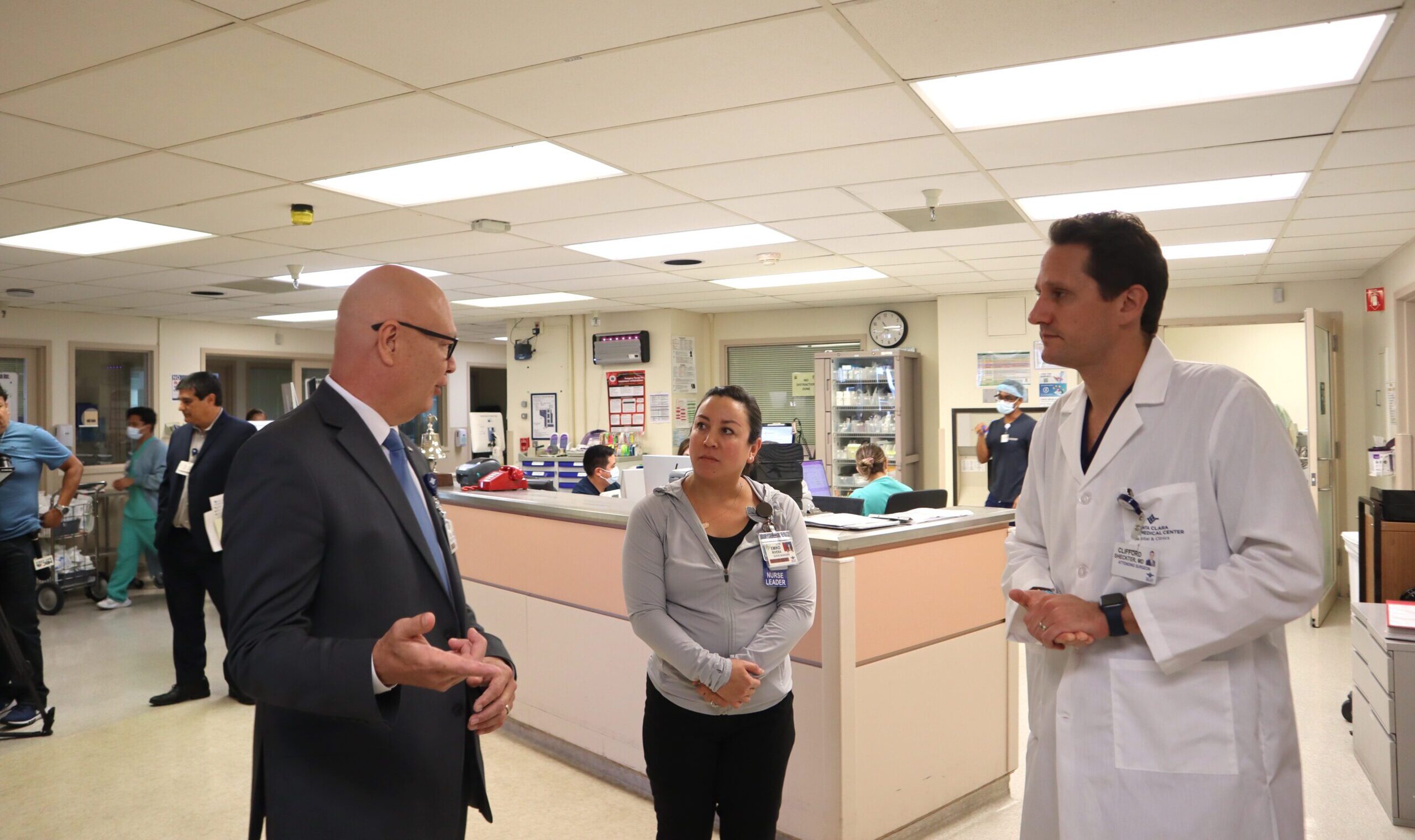
“We see patients all the way through to recovery. When we have a child burned, we’re there to help them re-enter school,” Clifford Sheckter, director of VMC’s regional burn center, told San José Spotlight. “We just did that with a girl from Contra Costa County. We drove out to her school to let all the kids know their friend from last year looks a little different now.”
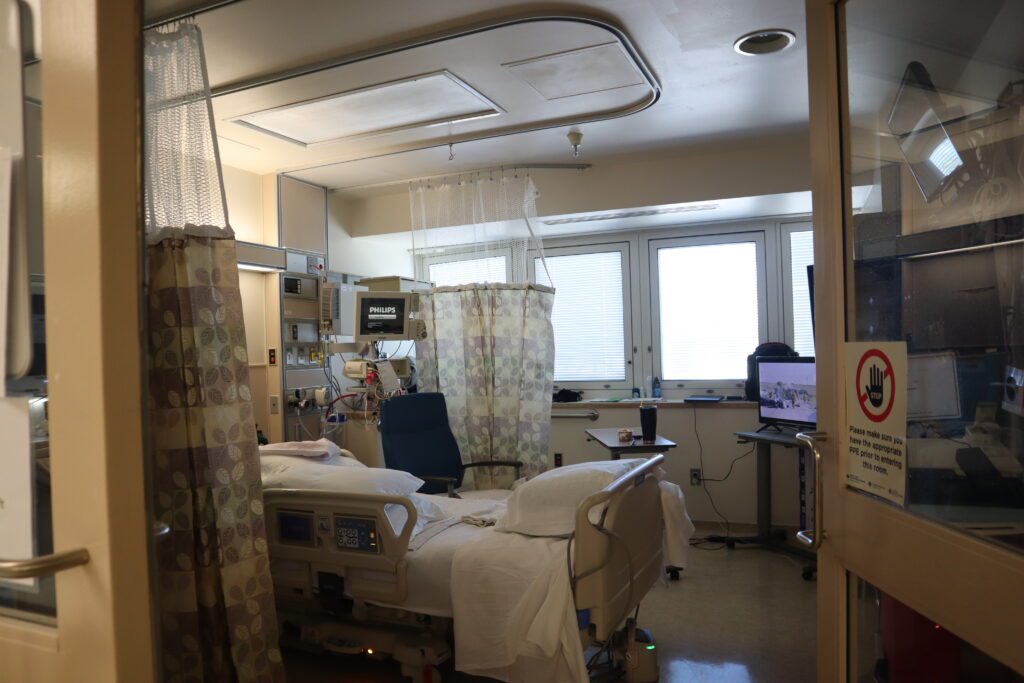
The burn center’s 4,500 square feet of space accommodates eight patient beds on the fourth floor of VMC’s west wing. People in outpatient care have to go across the street to another building. Those who need to go to the operating room — who may get sick and cold easily — have to travel several floors. This prompted efforts to build an eight-to-14-bed expansion, which with four times its current space can house all those patients in one area.
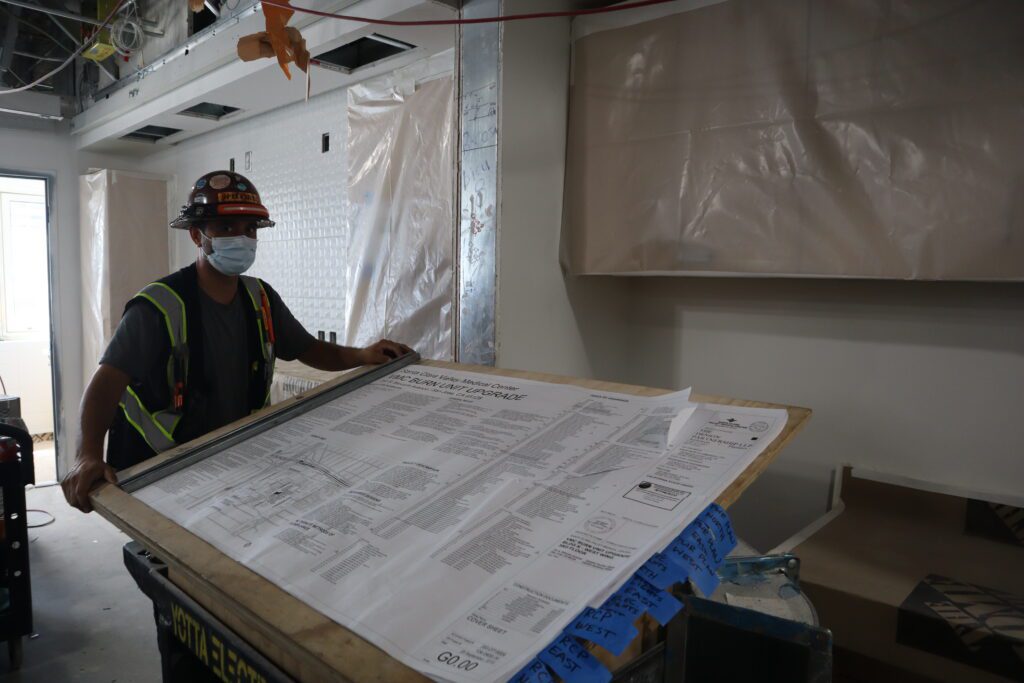
Santa Clara County’s system of four hospitals and 15 health clinics are mostly reliant on Medicaid reimbursements. Now billions in federal spending reductions could deal a major blow to the burn unit’s capacity right as it spreads out onto to a new floor in the building.
County leaders said the federal spending cuts won’t halt the project itself. The $40 million required to finance construction is already set aside, with a ribbon cutting about a year away.
“It’s not like we’re going to halt construction,” Sheckter said. “What actually concerns me the most is you have to increase the number of people to function in that bigger space. That is something I’m afraid — under budgetary constraints — the county may ask us to pause in expanding. If the county understandably says we can’t afford that, it short circuits the whole purpose of why we did this.”
County leaders warn President Donald Trump’s July 4 signing of H.R.1, the “big beautiful bill,” will lead to $1.5 billion in Medi-Cal revenue losses to the hospital system over the next several years.
Santa Clara Valley Healthcare CEO Paul Lorenz said this is not a loss they can budget through without major county spending cuts to the health care system — which is roughly 30% of the county’s $14 billion budget.
“To what extent? We do not know,” Lorenz told San José Spotlight. “We’re doing everything we can to mitigate that through consolidation, restructuring of service lines and looking for other revenue opportunities to bolster the system through this difficult time.”
On Nov. 4, county officials will ask voters to support a five-eighth cent sales tax increase, estimated to bring in $330 million in new revenue annually. The local Libertarian Party and taxpayer association unsuccessfully tried to stop the measure from appearing on the ballot. They argued there’s no guarantee extra revenue will go toward the hospitals because it’s being proposed as a general tax.
Nurse Manager Emiko Rivera has helped burn center patients eat and walk for the first time, since 2008. Her work starts by assessing patients with a physician at the hospital’s emergency department. From there, the long and painful process of dressing and restoring burned skin begins.
Beyond physical pain, burns can exact a severe mental toll on patients experiencing depression, PTSD and even thoughts of suicide. Rivera said the burn center provides a multidisciplinary team of nutritionists, therapists and social workers to assist with outpatient healing.
She said her biggest concern about federal spending cuts is whether the burn center will still provide support post-discharge. The center provides special programs, including a burn survivor support group and a one-week and weekend program where children with burn injuries get a traditional summer camp setting. There they can test the challenges of being outdoors in a safe environment free of judgment from other children. Burn center staff have served as camp counselors at the program.
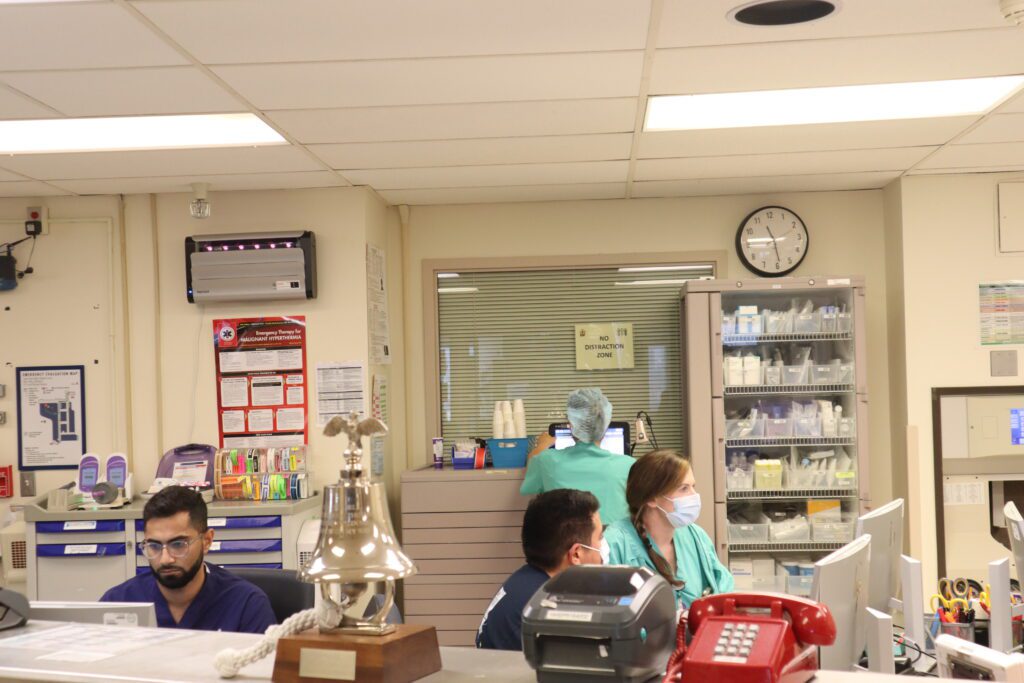
“Burn injuries can be lifelong and recovery does not end when they ring that bell,” Rivera told San José Spotlight.
Claude, a Los Gatos resident who asked not to share his last name, was on a walk with his wife two years ago. They had been visiting a friend’s house in San Jose’s Alviso neighborhood on the Fourth of July. People were lighting fireworks outside. The fireworks went sideways instead of up. Next thing Claude knew, he and his wife were at Valley Medical Center with second degree burns on their legs. Their story appeared all over the TV news.
“We were lucky to be 20 minutes from Valley Medical Center. You don’t know these things until you know,” Claude told San José Spotlight. “I truly believe now because of them, I was able to walk again and do what I like, which is running.”
 Claude said hinging hospital care on the ability to pay can put anyone in harm’s way.
“I was lucky to be in a place where the job I have gives good insurance. But for many other people that’s not the case,” he said. “You don’t want to hear that you’re not going to be treated because you don’t have enough money. It’s inhumane. What defines us as humans is to be able to take care of others.”
Contact Brandon Pho at [email protected] or @brandonphooo on X.
Leave a Reply
You must be logged in to post a comment.