


|
Getting your Trinity Audio player ready...
|
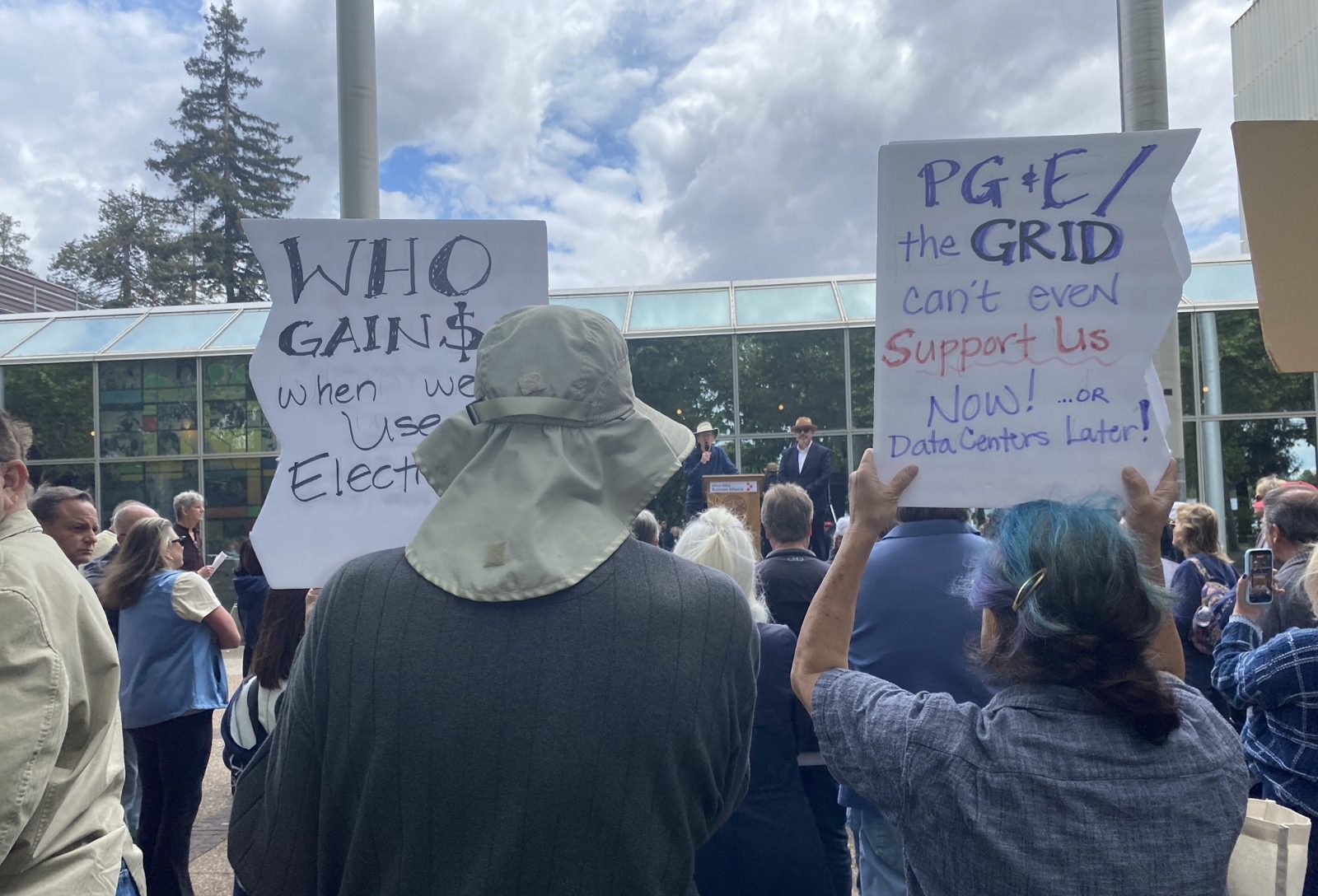
A decision by Bay Area air regulators to delay a controversial ban on gas water heaters has divided South Bay advocates and leaders — with supporters of the pending mandate glad it’s still moving forward and opponents vowing to continue fighting it.
The Bay Area Air District board voted Wednesday to delay the measure — intended to push property owners to go electric as their gas-powered models break down — by a full year to Jan. 1, 2028 amid concerns about the steep costs residents might face. To soften the financial blow, board members also approved exemptions from the mandate, including for low-income residents and people living in homes where electric upgrades are difficult to carry out.
In the South Bay, the campaign to back the ban has a broad coalition of supporters, including elected leaders, industry professionals, environmental advocates and faith groups. They expressed relief the board did not bow to pressure from opponents calling for the ban to be scrapped entirely.
“Sooner is always better, but making sure it’s done right and that the public doesn’t revolt and feel that they are not having something forced upon them that’s untenable,” San Jose District 4 Councilmember David Cohen, who organized a support rally Monday, told San José Spotlight. “Delay does give us more time to ease the public into the transition.”
When the ban takes effect, it will set a pollution standard of zero NOx for water heaters, effectively banning all gas-fired models except when property owners qualify for exemptions. The water heater mandate will be followed up in 2029 with a regional ban on new gas-powered heaters.
The measures only prohibit the sale of gas-powered appliances, meaning property owners can keep existing equipment until the devices break down or they decide to upgrade.
Backers have framed the bans as an attempt to improve public health. They argue that by reducing gas emissions, the region can prevent residents from contracting serious ailments.
But the mandate has also received pushback from South Bay business groups and conservatives, who argue the region — already struggling with high living expenses — isn’t prepared to absorb costly electrical upgrades.
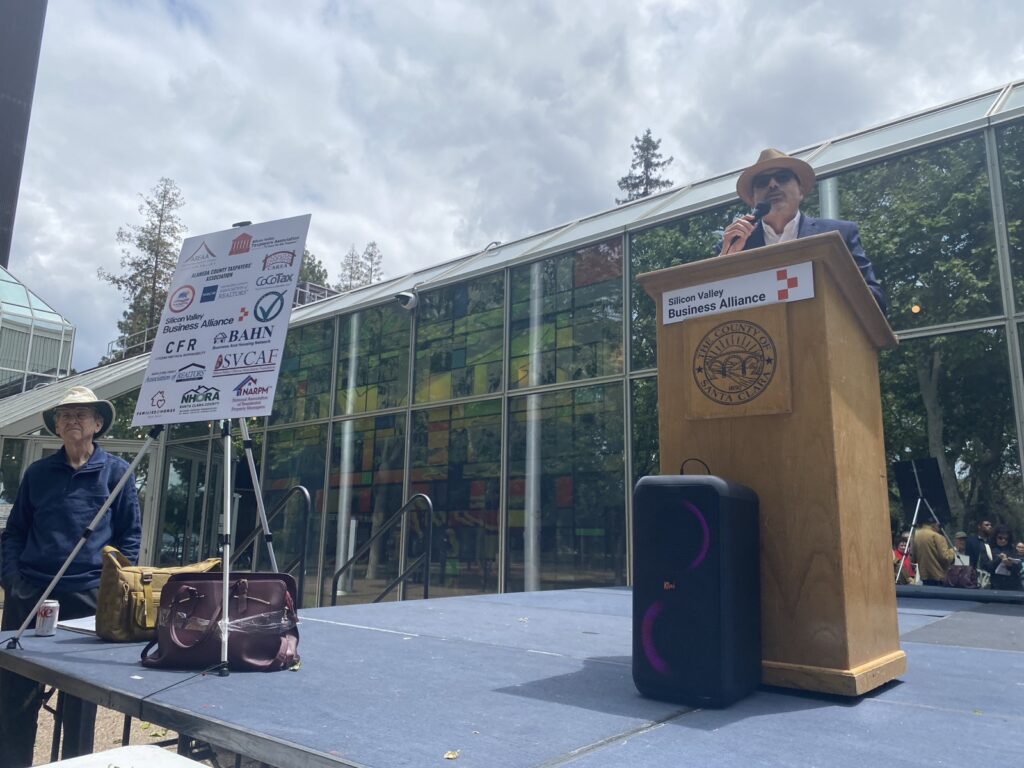
Johnny Kamis, president of the Silicon Valley Business Alliance and a former San Jose councilmember who helped organize local opposition, said rather than delaying the ban, it should have been repealed and replaced with an incentive program.
“I don’t actually trust (the Air District) with overseeing the carve outs that they say that they’re going to,” Kamis told San José Spotlight.
The exemptions cover several groups, including low-income property owners making 80% or less of the region’s area median income. In Santa Clara County, that’s an annual salary of $113,700 for a single-person household, according to local housing program benchmarks.
The exemptions — expected to cover about 50% of Bay Area water heaters, according to Air District officials — have met with grudging acceptance from South Bay environmentalists.
“I’m surprised by the amount of exemptions that there are,” Kat Snyder, a member of environmental advocacy group 350 Silicon Valley, told San José Spotlight. “Overall, I think it makes sense, and it’s given us a lot of time. I know a lot of the general public hasn’t heard about this.”
Supporters of the gas ban argue the home electrification transition is already underway. They point to government-backed efforts to train technicians on installing and maintaining electric appliances, as well as outreach to inform homeowners.

San Jose Clean Energy, the city’s energy aggregator, has $3 million for programs supporting electric upgrades. That includes the city’s rebate program, which provides up to $3,500 for income-qualified residents. Silicon Valley Clean Energy, another major energy provider, has additional subsidy programs.
The subsidies are needed to offset the higher costs of electric appliances. Heat pump water heaters cost on average $3,500 more to purchase and install than gas-powered heaters, according to Air District estimates.
“I think the South Bay is mostly ready, but some of the pushback to this Air District effort just shows that some more education is needed,” James Tuleya, a home electrification expert who assists South Bay homeowners, told San José Spotlight. “There’s lots of contractors that know how to do this right, and there’s lots of products available. It’s just a matter of using the tools and resources available.”
Contact Keith Menconi at [email protected] or @KeithMenconi on X.

Leave a Reply
You must be logged in to post a comment.