


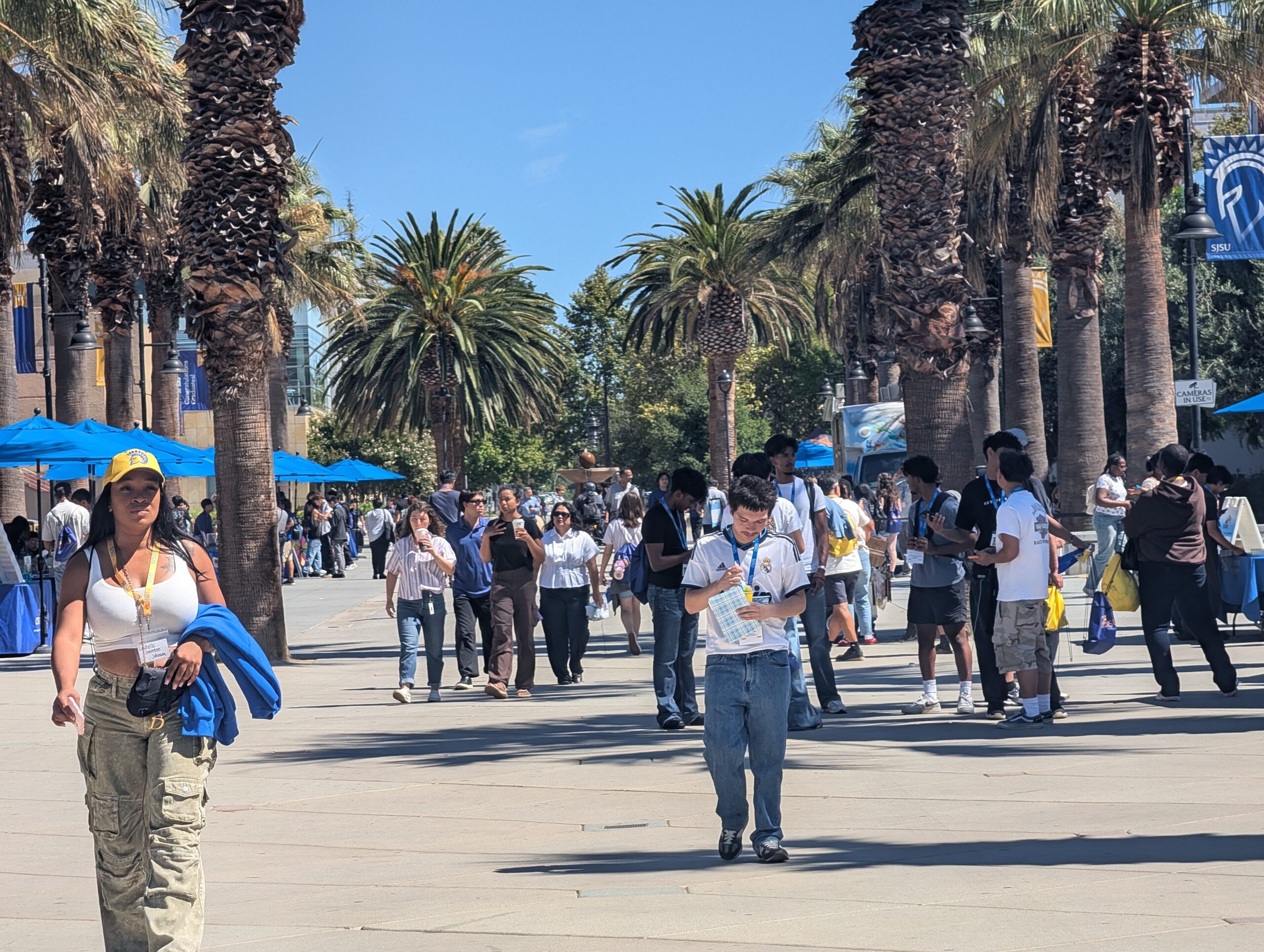
New federal regulations will restrict how long international students can attend U.S. colleges, and schools are scrambling to work through the problem as the fall semester begins.
The U.S. Department of Homeland Security (DHS) has finalized a rule that limits most international students on F-1 visas and J-1 exchange visitor visas to a four-year education in the country, effective Sept. 15. San Jose State University will be hit hard, since most students need more than four years to complete their studies and the university counts on foreign student tuition to prop up its budget.
“We are currently working with the California State University system to assess the impact of the new rule for our international students,” a university spokesperson said in a statement.
SJSU’s tuition for international undergraduates in the 2026-27 school year is $20,538 and $19,422 for graduate students, which is significantly higher than the cost for in-state undergrads at $9,553 and $10,944 for in-state post-grads. Last fall the school enrolled 2,538 foreign students and 2,332 this spring. The estimated annual tuition for those 4,870 students at the university would be close $49 million.
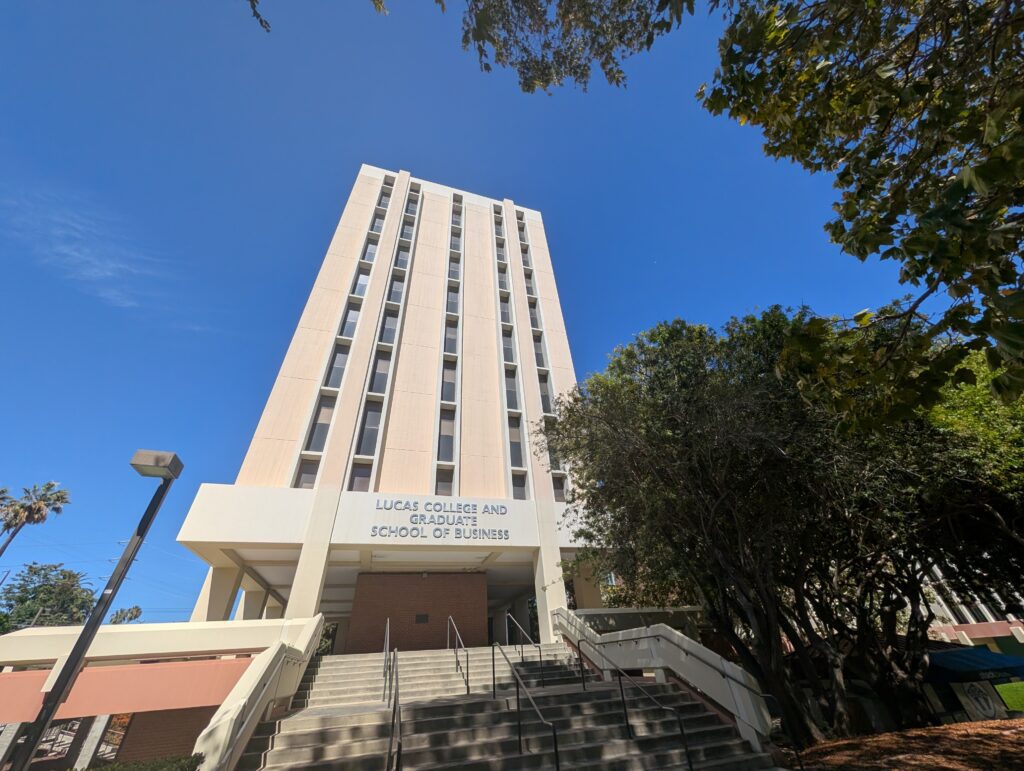
A four-year visa limit will impede foreign students requiring additional time to complete their degrees, research, post-graduate studies or seeking employment in Silicon Valley following graduation. Current rules give students significantly more flexibility to complete academic programs, many of which are longer than four years.
In a letter to foreign students, SJSU officials said the school’s International Student and Scholar Services is here to support them during this transition.
Extensions will only be available through rigorous vetting, according to DHS. In a statement from DHS Secretary Markwayne Mullin, he described the rule as cracking down on a loophole that international students were exploiting by extending their studies.
“By implementing clear, finite limits on these visas, the United States is reclaiming its ability to properly screen, vet, and monitor individuals within our borders,” Mullin said. “This final rule ensures that foreign students remain focused on their primary purpose: completing their studies and returning home.”
Many students at SJSU have to juggle work with school and can’t always get the classes they need to graduate in time.
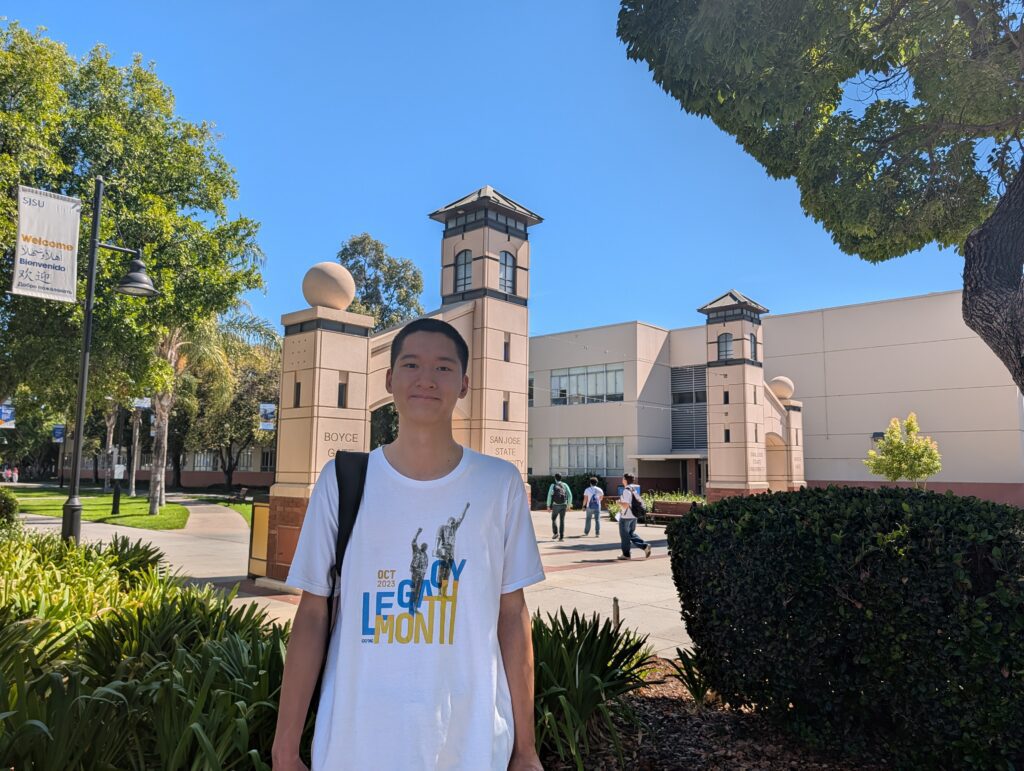
SJSU Junior Jeyan Lin, an accounting information system major, is concerned international students won’t be able to work in Silicon Valley following graduation.
“For the school to have that diversity and feed into the industry is very important,” he told San José Spotlight. “Foreign students contribute culture and diversity. This is what is special about Silicon Valley, where the smartest people gather and create new technology.”
Lin said high tech companies regularly recruit students from SJSU. He said if international students are deterred from attending, they’ll take their talents elsewhere — which would be a loss for San Jose and Silicon Valley.
Sara, who asked to only use her first name for privacy reasons, is a marketing major going into her fifth year at San Jose State University. She said the new ruling will hurt the university and its students.
“Being unsure about your status is extraordinarily stressful for these students,” she told San José Spotlight. “It’s important for colleges to stand up for our students and advocate for them.”
During the last five years, the four-year graduation rate for all undergraduates was about 34% and about 78% for graduate students, the SJSU spokesperson said.
San Jose State won’t be the only school in the region to be hit by the visa restrictions.
At Santa Clara University, international students comprise 16% of graduate and professional students and 6% of undergraduates. In addition to the almost 1,000 enrolled international students, approximately 600 are employed through Optional Practical Training, a work program for F-1 visa holders.
“Santa Clara University has a strong tradition of supporting the whole person and we extend this to our large and talented group of international students,” Susan Popko, vice provost for international programs at Santa Clara University, told San José Spotlight.
William Sundstrom, an economics professor at Santa Clara University, said the university has many international graduate students in its business and law schools. Nationally, the median time of completion for bachelor’s degrees is more than four years for undergraduate students, he said, adding a large percentage of international students are enrolled in Ph.D. programs, which often take up to six years to complete.
“A number of our grad students in business end up on Optional Practical Training visa extensions that are two years for STEM students and allows them to get a foothold in the Valley and then apply for an H-1B,” Sundstrom told San José Spotlight. “A lot of patents are issued to companies that have founders who are foreign-born. They’re integral to the tech ecosystem.”

Sundstrom said the new visa restrictions negatively affect Silicon Valley’s economic prosperity and growth, as a large percentage of Silicon Valley entrepreneurs and nearly 70% of tech workers are foreign-born and many came to the U.S. as students.
“We were already seeing some serious declines in international student enrollments,” he said. “The Trump administration’s general hostility to immigrants, both undocumented and documented, has created delays in the processes, denials of F-1 visa applications and a general sense of discouragement to come and study here.”
Contact Lorraine Gabbert at [email protected]. AP contributed to this story.
Leave a Reply
You must be logged in to post a comment.