

|
Getting your Trinity Audio player ready...
|
Cities will be held accountable when they withhold or destroy pertinent information during a public records request, as a result of a landmark California Supreme Court decision.
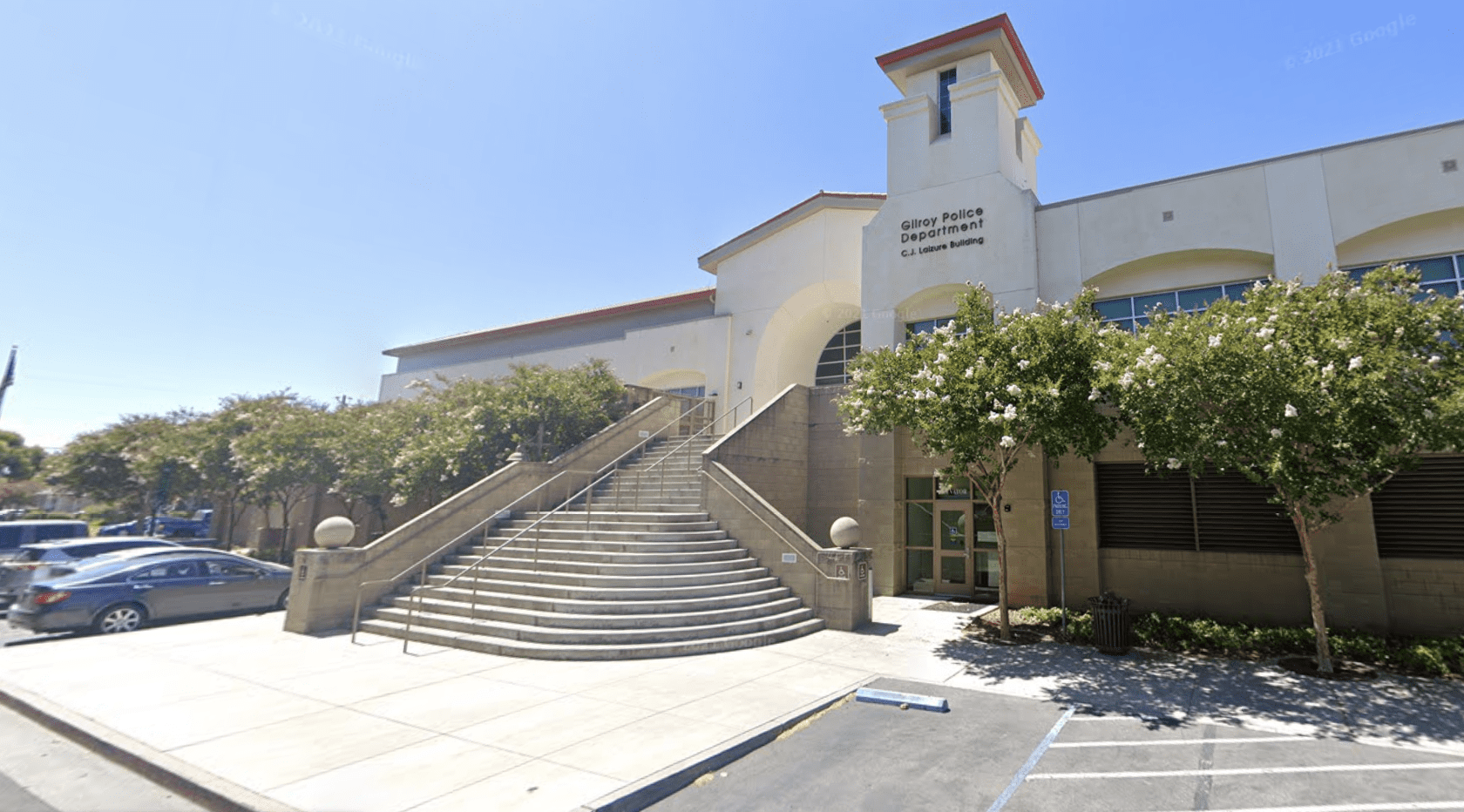
In City of Gilroy v. Superior Court, the California Supreme Court on Jan. 15 unanimously ruled that governments must be held accountable even when records no longer exist — but cities aren’t required to preserve documents under the California Public Records Act. The ruling strengthens holding agencies accountable for slow or deficient responses.
The Law Foundation of Silicon Valley filed the lawsuit against Gilroy after being denied public records related to sweeps of homeless encampments.
Tristia Bauman, directing attorney at the law foundation, said this is a win for the people’s right to access public records.
“Some of our concern was that if there is no declaratory relief, then governments are essentially given the green light to declare something as exempt and then destroy it with no oversight and no way to check whether that was appropriate,” Bauman told San José Spotlight. “So with this ability to get declaratory relief, we can prevent governments from doing that.”
Under the California Public Records Act, cities are required to conduct a thorough search of records when a member of the public requests information. If they withhold documents, they must specify which documents and the reason why.
The law still allows documents related to an investigation to be kept confidential.
The genesis of the lawsuit began in 2018, when the law foundation heard police were harassing homeless people and destroying their property during encampment sweeps in Gilroy. What set this sweep apart were stories told to the law foundation and Disability Rights California about police destroying medical equipment, canes and walkers.
In 2018 and 2019, the law foundation filed multiple requests for records under the California Public Records Act to get more information on how these sweeps were being conducted, including police body camera footage. Gilroy initially denied sharing a majority of its footage, claiming it was protected due to its investigative nature. The law foundation sued the city and later found out Gilroy had destroyed footage that was more than a year old.
Gilroy City Attorney Andrew Faber said the law foundation’s original records request in 2018 wasn’t specifically regarding sweeps, but related to other aspects of homeless behavior.
“At the time neither the city nor the law foundation thought that it requested body cam footage (as the 2019 request explicitly did). The city did furnish body cam footage in response to the 2019 request,” Faber told San José Spotlight. “It withheld 10 minutes of such footage as being privileged investigatory material, and the trial court agreed that was properly withheld.”
The ruling took into account that cities could destroy records, but that wouldn’t negate governments from being held accountable even if records no longer exist.
Neel Chatterjee, attorney at King & Spalding and former law foundation board member, said this is an logical extension of California Public Records Act law.
“It isn’t moot when people destroy documents, that the courts can issue a ruling that the way a search was done was wrong,” Chatterjee told San José Spotlight. “It allows the requesters to hold the government accountable for its improper actions, even when the documents don’t exist anymore.”
Gilroy did not produce any specific reasons for withholding records other than invoking investigative privileges, he said.
“If you’re investigating a crime, there’s some specific crime you’re investigating,” Chatterjee said. “So asserting a blanket privilege doesn’t make any sense, because you’re asserting it for every single thing you’re doing in every location.”

While the California Public Records Act has rules against withholding information, the court ruled it doesn’t have any stipulations that cities should preserve information unless they’re under active litigation.
“On this preservation issue, hopefully the Legislature would take this up at some point and require them to preserve records,” Thomas Zito, supervising attorney at Disability Rights California, told San José Spotlight.
Contact Joyce Chu at [email protected] or @joyce_speaks on X.

Leave a Reply
You must be logged in to post a comment.