


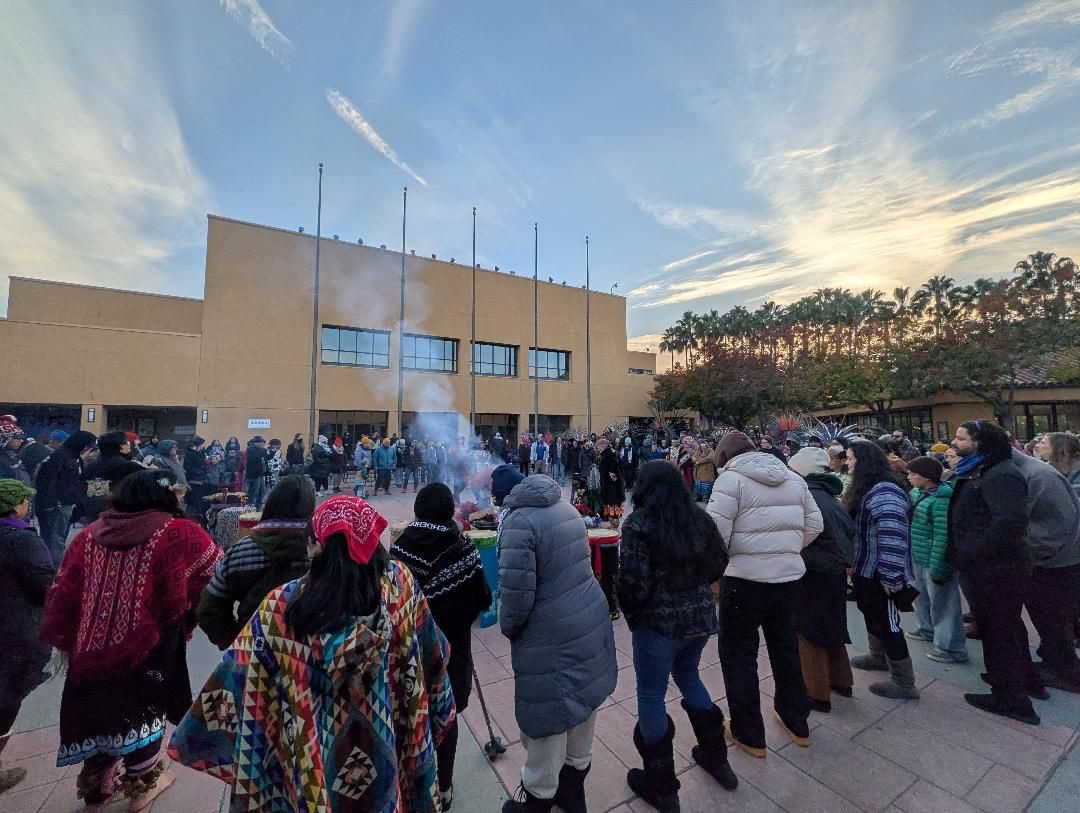
Gratitude is a strange emotion to wrestle with in a country that still insists on telling a sanitized Thanksgiving story. We recite the familiar script — a shared harvest, a peaceful gathering — while stepping neatly around the violence that followed. The Wampanoag extended knowledge and hospitality to newcomers who would later drive them from their own land. That tension, that deliberate forgetting, sits quietly beneath the holiday table.
This year, gratitude found me in an unglamorous place: in a police parking lot on Thanksgiving night. My father-in-law had hit debris on his drive home. My husband was sick. My sister was closest and went first; I followed. This is what my family does — no hesitation, just movement. There’s a steadiness in that kind of love, the kind that meets you in the dark on a cold winter night.
And then there was the AAA driver who arrived at midnight, working through a holiday most people imagine spending around a table. He didn’t offer a heroic narrative. He offered a service, one rendered invisible until the moment you need it. I found myself thinking of all the workers whose labor keeps the rest of us upright — from first responders to the people who stock groceries, clean buildings, prepare food and staff clinics. We say we’re grateful for them. But gratitude that costs us nothing is not the same thing as valuing their lives.
What would it look like to let go of the idea that livable wages and decent benefits are a luxury reserved for a select few? What would it look like to move from holiday politeness to structural fairness?
I ask myself similar questions about the nonprofit sector — where so many of my colleagues choose to stay despite the emotional and financial strain that comes with the work. Nonprofits are often framed as places for “passion,” a word that conveniently obscures the fact that many organizations operate without enough staff, time or funding to meet the rising needs around them. The work is real. The stakes are high. Yet too often, the compensation and respect do not match the impact.
So yes — I hope people enjoyed their holiday. But I also hope we stop confusing sentiment with change. Gratitude is easy. Redistribution is harder. And if this season offers us anything worth keeping, it’s the reminder that the people who hold our communities together deserve more than a thank you. They deserve policies, budgets and choices that reflect their worth.
Because the truth is simple: Gratitude doesn’t build a just society. Action does.
San José Spotlight columnist Jessica Paz-Cedillos is the Chief Executive Officer at the Mexican Heritage Plaza. Her columns appear every first Monday of the month. Contact Jessica at [email protected] or follow her on LinkedIn.
Leave a Reply
You must be logged in to post a comment.