


|
Getting your Trinity Audio player ready...
|
In September, San José Spotlight reported that San Jose leaders were considering tighter rules for automated license plate reader cameras following concerns about improper access to their data. The city has also been expanding its public safety camera network and Real-Time Intelligence Center.
These investments are welcome. But I believe we must ask a bigger question: Are we using technology to prevent crime, or mainly to investigate it after the damage is done?
When I considered moving to the U.S. from India, one of the strongest attractions was safety. Friends told me that packages left outside their homes could remain there for hours, sometimes days, without being touched. That sense of security helped make America attractive to me. Today, I cannot imagine leaving a package outside my home for even a few minutes.
Our neighborhood in District 4 waited years for BART, hoping for better transportation and economic opportunity. I even worked with local councilmembers to bring the Restricted Parking Permit program to our community. However, residents have increasingly faced trespassing, suspicious activity, mail theft and property crime.
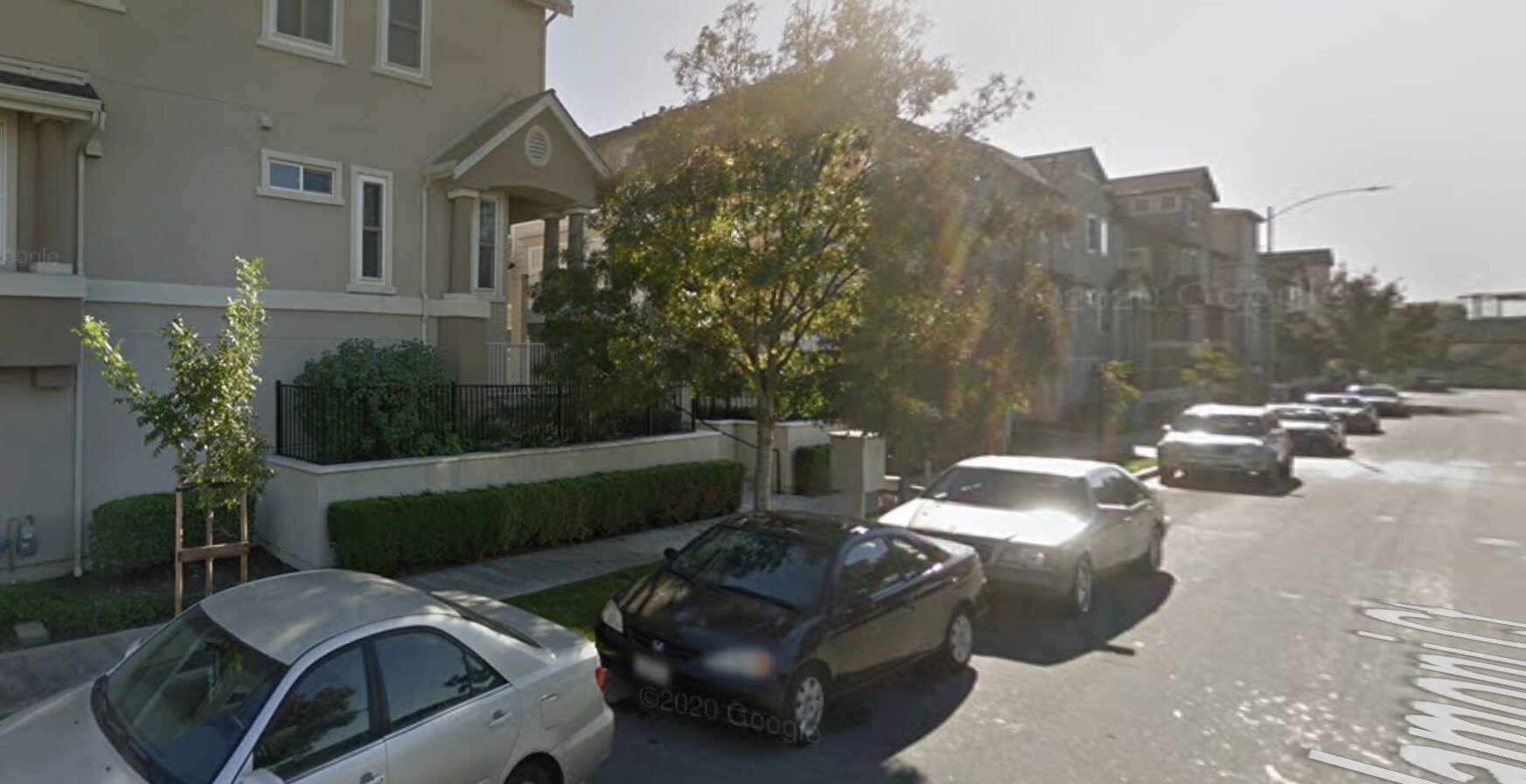
Recent incidents in our District 4 neighborhood, which has just 79 homes, are particularly troubling. Last week, residents reported that at least 19 homes had been vandalized, with outdoor heating and air conditioning equipment targeted. Thieves are after the copper refrigerant lines, copper tubing in the coils and copper wiring in compressor motors. In one case, an entire outdoor HVAC unit was removed. Elsewhere, electrical connections and refrigerant lines were cut, leaving families without functioning heating and cooling systems.
I am a member of our homeowners association board. I have followed residents’ messages through WhatsApp and email. These are not isolated inconveniences. Families face repair bills, disrupted heating and the anxiety of wondering which home will be targeted next.
There is an opportunity to track those responsible. Recycling centers require identification when people sell scrap metal. Anyone selling an entire stolen outdoor HVAC unit or its copper components may leave a trail. Recycling centers should cooperate with police investigations and help identify sellers of potentially stolen materials.
San Jose has earned recognition as one of America’s safest large cities. San José Spotlight reported that violent crime fell 15% in 2025, while property crime declined 7%, according to FBI figures. These are encouraging numbers. But citywide improvements cannot overshadow neighborhoods experiencing concentrated criminal activity. A national ranking does not restore a stolen HVAC unit.
I believe San Jose must make better use of artificial intelligence to prevent crime. AI can analyze large amounts of information, recognize unusual patterns, connect seemingly unrelated incidents and help police respond faster.
Imagine a public safety system connecting city cameras, participating private security cameras and reported incidents. It could identify suspicious activity, detect vehicles appearing near multiple crime scenes and help officers recognize patterns before more homes are targeted. AI-powered video analysis could also help investigators review relevant footage without manually examining hours of recordings.
Technology must be used responsibly. Strong privacy protections, strict access controls, regular audits and accountability are essential. AI should assist trained officers, not independently decide whom to investigate or arrest.
I am asking San Jose to increase patrols in affected neighborhoods, investigate whether recent crimes are connected, work with willing homeowners to integrate security cameras, use AI for video analysis and crime pattern analysis and establish direct communication channels with homeowners associations. The city should also work with recycling centers to help police trace stolen copper and equipment.
Finally, measure success by crimes prevented and neighborhoods made safer, not simply by cameras installed or arrests made.
I still believe in the promise of a safer life that brought me to America. San Jose has the talent, resources and technology to deliver that promise. But we cannot wait until another 19 homes are damaged to act.
Vishnu S. Pendyala, Ph.D., MBA (finance) teaches machine learning, embodied AI and other data science courses at San Jose State University and is a Public Voices Fellow of The OpEd Project. Opinions expressed are his own and not those of his employer or any other entity that he is affiliated with.
Leave a Reply
You must be logged in to post a comment.