


|
Getting your Trinity Audio player ready...
|
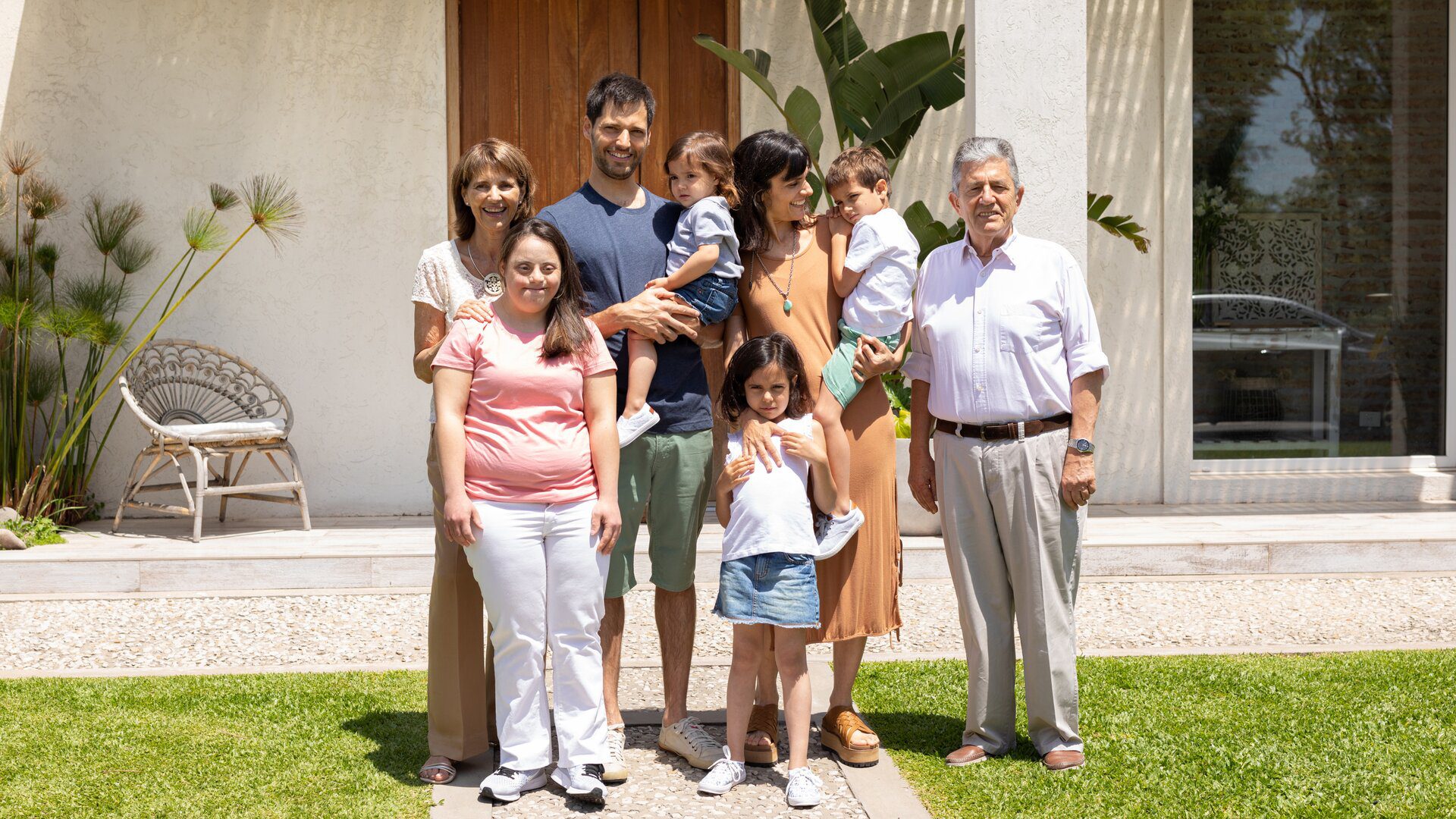
The continued rise in the cost of living has compelled many families to reassess what homeownership entails. An increased number of families are considering pooling their resources for the greater good of all, and that’s where multigenerational living has become an attractive option for some.
Multigenerational living is no longer viewed as a fallback option, but as a strategic and often empowering housing choice. By combining incomes, caregiving responsibilities and long-term financial goals, families can create greater stability while also strengthening family bonds.
“Multigenerational living isn’t just a trend, it’s become a heartfelt solution for so many families trying to care for the people they love most. Today’s buyers are thinking beyond themselves,” Michelle Perry of Christie’s International Sereno said. “They’re thinking about their aging parents who deserve dignity and stability, and about their children, wondering how they will ever be able to afford a home in the Bay Area or surrounding areas.”
Perry said when her family moved to Hollister 11 years ago, they didn’t realize they were building that kind of future for themselves.
“Now my mom and my in-laws each have their own homes on our five-acre property, living independently yet close enough to share everyday life,” she said. “There’s comfort in knowing they’re safe and supported, without the constant worry of how they’ll afford to live on their own. And there’s peace in knowing that if our children ever need a place to land, they will always have room here. It’s more than real estate — it’s security, legacy and love woven into the land we call home.”
Obviously, not everyone can afford acreage or is in a position to add to their commute time. Another option for some is to consider building an accessory dwelling unit (ADU) on their existing property.
“In my experience, many people speak of building an ADU with the expectation of a parent living in it one day,” Lisa Faria of Christie’s International Sereno said. “In the meantime, ADUs offer great rental income opportunities and are in high demand.”
San Jose offers many resources to help property owners who are interested in building an ADU as a separate building or converting a garage into livable space. And if an ADU is not an option, we are seeing buyers looking for single-family homes with very specific features to support multigenerational living.
Sandy Sicsko of Compass Realty said the biggest must-have is a downstairs bedroom with a full ensuite bathroom. She explains that even if parents are active today, buyers are looking 5-10 years in the future. They themselves may need to move downstairs as they age in place.
Sicsko adds that privacy can at times matter more than square footage. Families don’t want their parents to feel like guests. A separate entrance, small sitting area and kitchenette are all features in high demand.
Multigenerational living is less about settling and more about adapting to today’s realities. Whether through purchasing a larger home with specific features, thoughtfully designing spaces or an ADU, families are finding creative ways to live together while maintaining independence and dignity.
As housing costs continue to rise, multigenerational living provides a path forward by balancing financial stability, long-term planning and the emotional comfort of having loved ones close. For many, it is not just a housing decision, but a meaningful investment in security, flexibility and family connection for years to come.
San José Spotlight columnist Neil Collins is CEO of the Santa Clara County Association of Realtors, a trade association representing more than 6,000 real estate professionals in Santa Clara County and surrounding areas. Contact Neil at [email protected].

Leave a Reply
You must be logged in to post a comment.