


|
Obteniendo su trinidad de audio jugador listo...
|
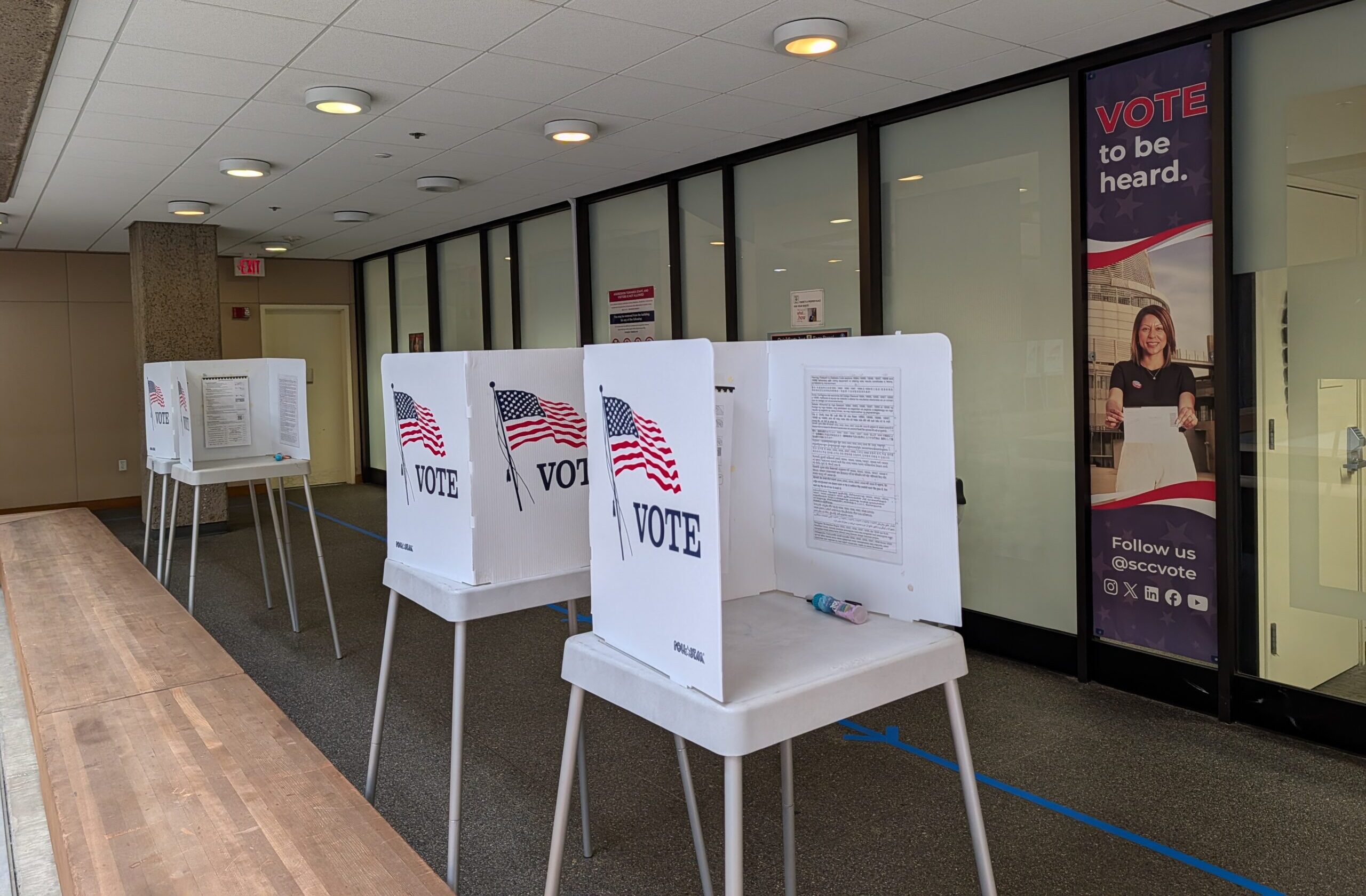
For a family in San Jose struggling to pay $3,000 a month in rent, the results of the Nov. 3 election probably won’t change much about next month’s bills. Neither will they shorten the commute of a worker traveling two hours each day because living near their job is simply too expensive. And for someone facing eviction, the promise of future housing construction offers little comfort when the rent is due tomorrow.
Yet California voters delivered an important message last week. They are willing to invest in making their communities more affordable. The challenge now is turning that political support into something residents can actually experience.
Consider the results. Proposition 1, authorizing more than $11 billion in housing bonds, passed with approximately 61% support. Voters also rejected Proposition 43, preserving the ability of citizen-led local tax measures to pass without a two-thirds supermajority. And across five Bay Area counties, voters approved a regional transit measure that will generate an estimated $1 billion annually to sustain public transportation.
These measures address different problems, but together they reflect a recognition that affordability requires public investment. Housing, transportation and essential services are interconnected parts of what determines whether people can afford to live in Silicon Valley.
That’s worth celebrating. But we should be careful not to confuse a political victory with an economic one.
For too long, our conversations about affordability have focused on the resources we commit rather than the outcomes those resources produce. We announce billions of dollars in housing investments, celebrate construction milestones and measure progress through the number of homes approved or completed. These are important benchmarks, but they tell us relatively little about whether the people struggling most are finding relief.
A new apartment renting for $3,500 might increase housing supply, but it does little for a family earning $50,000 annually. A home affordable to someone earning $150,000 may create an important opportunity for that household while remaining completely inaccessible to a senior living on Social Security.
Both forms of housing can serve legitimate needs. But they are not interchangeable solutions, and public policy should stop treating affordability as though it means the same thing to everyone.
The distinction becomes particularly important as California begins implementing Proposition 1. The measure creates an opportunity to build and preserve thousands of affordable homes, but how those resources are distributed will determine who benefits.
If our objective is meaningful affordability, we should begin by identifying the households experiencing the greatest financial hardship and designing investments around their circumstances. That means prioritizing deeply affordable housing for extremely low-income residents, preserving existing homes that remain affordable and preventing families from losing housing they already have.
It also requires acknowledging that construction alone cannot address every dimension of our affordability crisis.
A family facing eviction needs assistance before it becomes homeless, not several years later when a new apartment building opens. Someone living with a disability may need supportive services alongside an affordable home. And workers struggling with transportation costs need reliable connections to employment, not simply another promise of future infrastructure.
None of these approaches replaces the need to build more housing. Rather, they recognize that increasing supply and reducing financial hardship are related but distinct objectives. A successful affordability strategy must accomplish both.
There is also an important question of effectiveness.
As public investments grow, we should measure success not only by dollars spent or projects completed, but by whether fewer families are severely rent-burdened, fewer residents are displaced, and more people can remain stably housed. Those outcomes should guide how we allocate resources and evaluate programs.
The election demonstrated that Californians are prepared to make substantial investments in their communities. It did not settle the difficult questions about how those investments should be prioritized or what tradeoffs will be required to deliver meaningful results.
Those decisions now belong to elected officials, public agencies and community leaders. And they deserve the same attention we devoted to passing the measures themselves.
Affordability was a powerful campaign promise in 2026. But the real victory will come when families across Silicon Valley can finally feel the difference in their everyday lives.
Ray Bramson, columnista de San José Spotlight, es el director de operaciones de Destination: Home, una organización sin fines de lucro que trabaja para erradicar la falta de vivienda en Silicon Valley. Sus columnas se publican el segundo lunes de cada mes. Puedes contactar a Ray en [email protected] o seguirlo en @rbramson en X.
Deje un comentario
Debes iniciar sesión para publicar un comentario.