

|
Getting your Trinity Audio player ready...
|
San Jose has slipped eight spots in a national ranking of city parks, with one of its weakest scores highlighting a challenge local leaders have struggled to solve for years: finding enough money to maintain and improve neighborhood parks.
The Trust for Public Land’s 2026 ParkScore report ranks San Jose No. 49 among the nation’s 100 largest city park systems, down from No. 41 last year. The annual ranking evaluates cities on park access, acreage, amenities, equity and investment.
While San Jose scored relatively well in access and acreage, suggesting many residents live within reach of a park, the city’s low investment score highlights ongoing concerns about whether funding levels are sufficient to maintain facilities and address long-term infrastructure needs. San Jose received a 29 out of 100 points for investment, spending $122 per capita on parks and recreation compared with $476 per capita in San Francisco, which ranked sixth nationally.
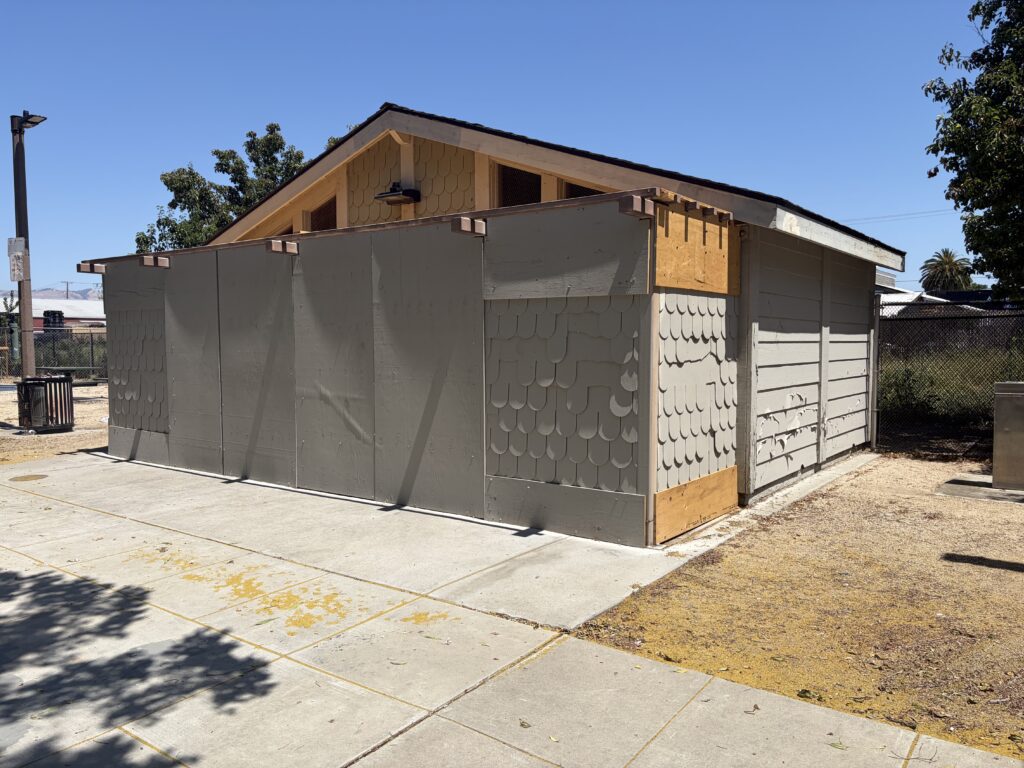
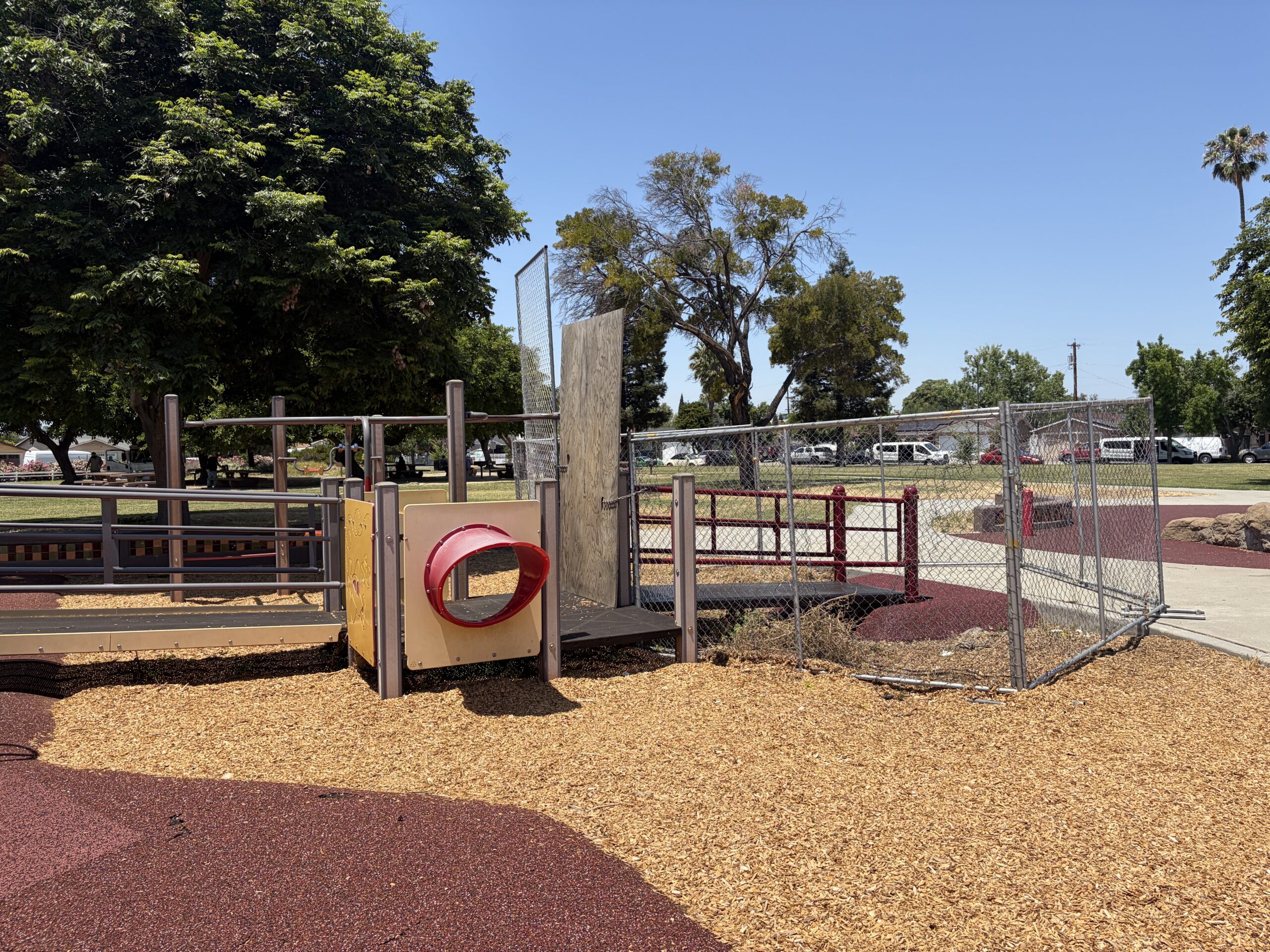
The findings come as San Jose continues to grapple with a parks maintenance backlog estimated at more than $550 million, and faces allegations of mismanagement from a parks commissioner.
Ed Bautista, spokesperson for Parks, Recreation and Neighborhood Services, acknowledged San Jose’s low investment score and said funding constraints have made it difficult to keep pace with the city’s growing park system.
“That methodology (for the $550 million maintenance backlog) is based on a 2015 backlog study and accounts with different factors, including inflation and cost escalation factors, which means it does increase annually,” Bautista told San José Spotlight.
Bautista said the city’s park maintenance funding is largely tied to the general fund, which must also support public safety, libraries, streets and other services. Elected city leaders have also taken steps in recent years to incentivize developers to build housing by reducing park fees.
“The reduction in development-related fees means truly less funding for park development projects,” Bautista said.
Still, he said the department is proud the city remains in the top half of the nation’s largest city park systems.
Bautista said San Jose maintained 1,475 acres of parkland with 227 employees in 2003 — the city now maintains 1,801 acres with 183 employees. He said the department is working to reduce deferred maintenance through in-house construction teams, playground replacements and other improvement projects.
The effects of limited resources can be seen in parks across East San Jose, where maintenance crews spend much of their time addressing illegal dumping instead of routine upkeep. Matthew Chavez, a city employee who helps maintain parks in the area, said discarded furniture, tires, appliances and construction debris regularly end up in neighborhood parks.
“More than half of our job is just dealing with garbage,” Chavez told San José Spotlight. “We got three guys. Sometimes we have a fourth, and we have seven parks to take care of.”
The city’s park system has faced funding challenges for years, with officials and advocates debating how best to fund repairs and improvements. The issue has prompted discussions about dedicated funding sources, including a proposed parks measure that ultimately did not advance to the ballot.
District 5 Councilmember Peter Ortiz, who represents East San Jose, said the ParkScore findings reflect concerns his constituents have raised for years. He attributed the maintenance backlog to decades of underinvestment and a funding system that prioritizes building new parks over maintaining existing ones.
“Every day I hear residents raise concerns about aging infrastructure, deferred maintenance, landscaping, cleanliness and the condition of park amenities,” Ortiz told San José Spotlight.

Helen Chapman, a longtime parks advocate and director of the Santa Clara Valley Open Space Authority, said development-related park fees can help fund new parks, but those resources are often concentrated in areas experiencing the most growth. That leaves older neighborhoods struggling to address deferred maintenance.
“If you’re not making an investment into putting money into keeping up the parks, they’re going to get run down,” Chapman told San José Spotlight. “It’s been 26 years since we’ve had a significant investment of funding into our parks, and it’s starting to show.”
Not all residents view local parks negatively. Guadalupe Sandoval, who lives across the street from Zolezzi Park and has spent most of his life in the neighborhood, said he has noticed improvements in maintenance and upkeep.
“I come here almost everyday, it’s a lot better than it was before,” Sandoval told San José Spotlight, crediting Ortiz with helping improve conditions in the area.
Contact Maryanne Casas-Perez at [email protected] or @CasasPerezRed on X.
Leave a Reply
You must be logged in to post a comment.