

|
Getting your Trinity Audio player ready...
|
San Jose’s newest park will bear the name of a pioneering Chinese American business leader.
Councilmembers unanimously approved a plan Tuesday to transform an undeveloped 1.2-acre parcel of land in southwest San Jose into a new park, named in honor of the late Bill Kee, who led a fight in the 1940s to preserve San Jose’s longest standing Chinatown.
As councilmembers prepared to vote on the park plan, which supporters said will bring sorely needed open space to a densely populated residential area just west of Highway 87, they heard from two of Kee’s descendants, who spoke in support of the name selection.
“This was such a wonderful culmination of a long time,” Gerrye Wong, Kee’s 93-year-old daughter, told San José Spotlight directly after the vote. “This is showing San Jose is recognizing the impact and the importance of the Chinese community.”
The planned park site sits at the terminus of Rinconada Drive, not far from the Almaden Expressway and Curtner Avenue off-ramp. San Jose acquired the land in 2013 as part of a development agreement that paved the way for the construction of the neighboring Latitude 37 apartment complex.
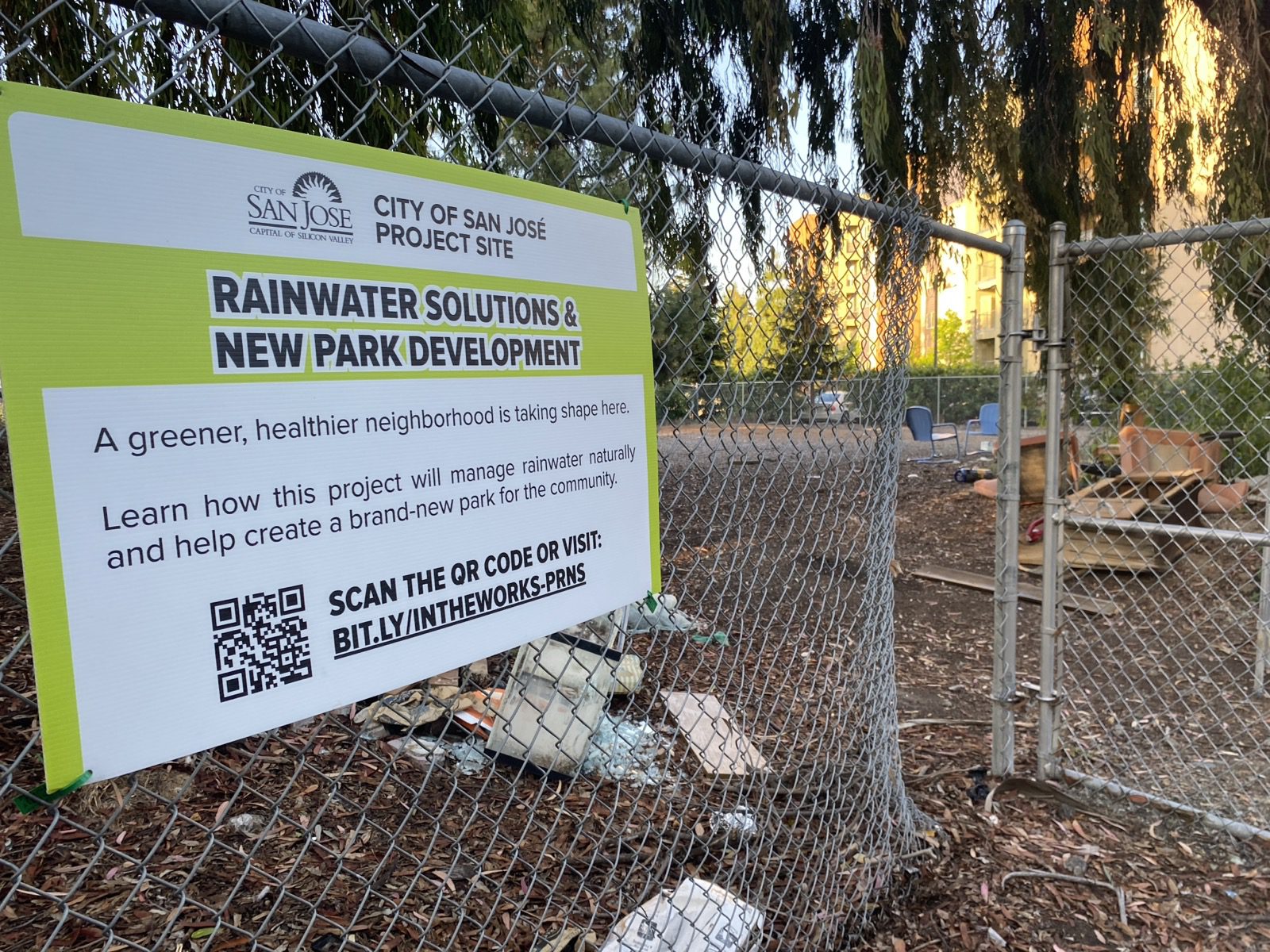
Today, the triangle-shaped parcel is partially blighted, with trash and weathered furniture strewn on top of unmanaged land. People have cut several openings in the rickety chain-link fence that surrounds the property.
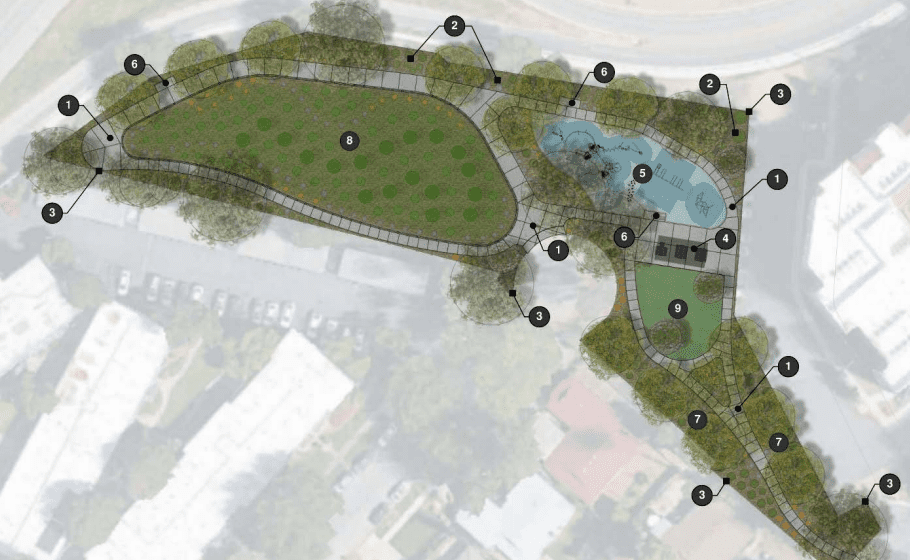
The newly approved plan would bring a wide-open green space to the parcel’s western portion. Under the plan, park amenities will include a children’s play area with rubber surfacing, picnic areas, a walking loop as well as new landscaping. City officials said the eastern side of the park will also include pollinator gardens, at the request of residents.
Bill Kee Park will also double as a piece of green stormwater infrastructure. Beneath the green space, officials plan to construct a 9,000-square-foot bio retention basin capable of filtering pollutants out of water runoff from surroundings streets before they can make it into nearby waterways such as the Guadalupe River.
The name Bill Kee Park won out in a recent community poll.
Kee, who died in 1989 at 86, rose to local prominence in San Jose during a time when the city’s Chinese American community faced broad discrimination. The manager of a well-known San Jose department store, Kee broke the color barriers at a number of local organizations, becoming the first Chinese American admitted to the San Jose Rotary Club, the Scottish Rite fraternity and the San Jose Merchants Association, according to a pamphlet on his life distributed by his family.
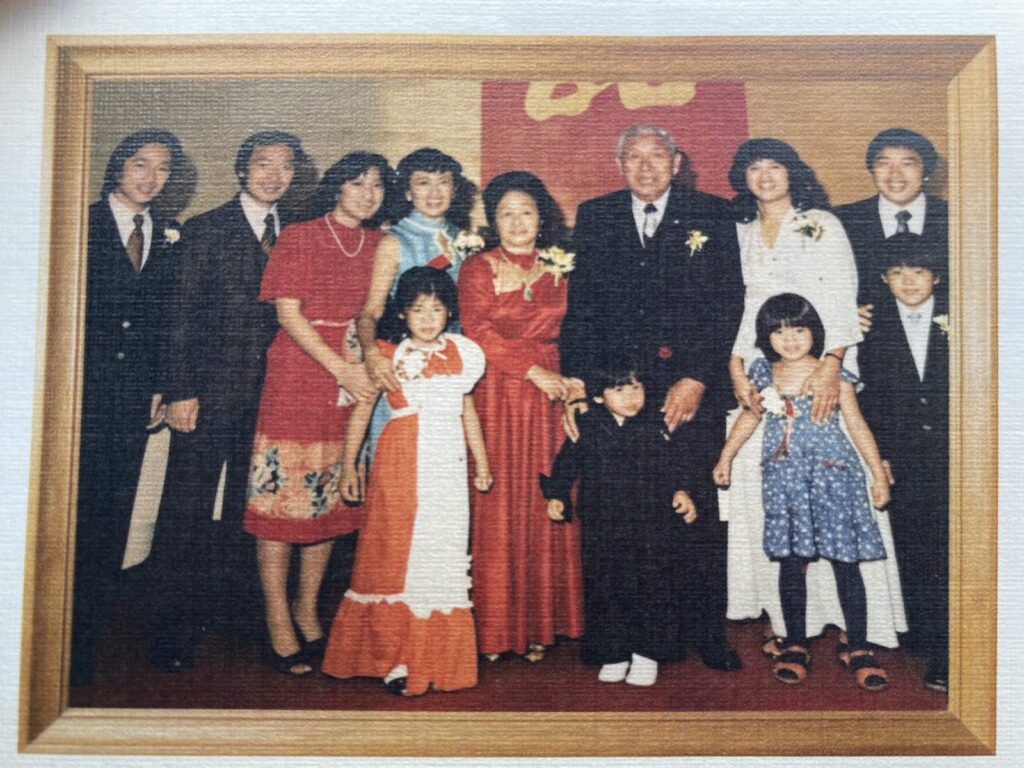
“He worked doubly hard knowing that he needed to be a role model for a Chinese man to assimilate in a not so welcoming period of time for Asians during the Depression and World War II,” Kelly Matsuura, Kee’s granddaughter, said during Tuesday’s meeting.
Kee spoke before the City Council in 1945, imploring San Jose’s elected leaders not to demolish the Ng Shing Gung Temple in the city’s downtown. Originally built in 1888, by the 1940s the structure was the last remaining building from a historic Chinese enclave known as Heinlenville.
While Kee’s efforts only granted the building a temporary reprieve from the wrecking ball — it was demolished in 1949 — he is credited with bringing public attention to the temple’s importance. Decades later in 1991, San Jose incorporated a recreation of the temple into History Park, and today the structure houses a museum of South Bay Chinese American history.
The development cost for Bill Kee park will be financed by money from Measure T, a 2018 voter-approved general obligation bond, officials said.
The city’s planning documents for the park did not include an estimated budget for the project, nor a projected completion date. Once the park is constructed, officials estimate the annual upkeep costs at $45,000.

Vice Mayor Pam Foley — who represents District 9, which includes the park site — said she is excited to christen the park with Kee’s name.
“I’m proud that we get to create from this vacant land a really beautiful park that will not only carry a beautiful man’s memory and name, but also will be wonderful in creating memories for the children and the families who grow up and around it,” Foley said during Tuesday’s meeting.
Contact Keith Menconi at [email protected] or @KeithMenconi on X.

Leave a Reply
You must be logged in to post a comment.