

|
Getting your Trinity Audio player ready...
|
An uptick in leasing activity in Silicon Valley’s commercial real estate market has offered a glimmer of hope that a stronger post-pandemic economic recovery may be taking hold. But market watchers caution that high office vacancies are likely to remain for years to come.
The rate of commercial lease deals over the first quarter of the year hit the highest level seen in the region since 2022, according to the most recent market analysis from Joint Venture Silicon Valley, a local think tank. At the same time, office vacancy rates in the South Bay remain at 22.5%, even higher than levels seen during the early 2000s dot-com bust and more than twice what was seen just prior to the pandemic.
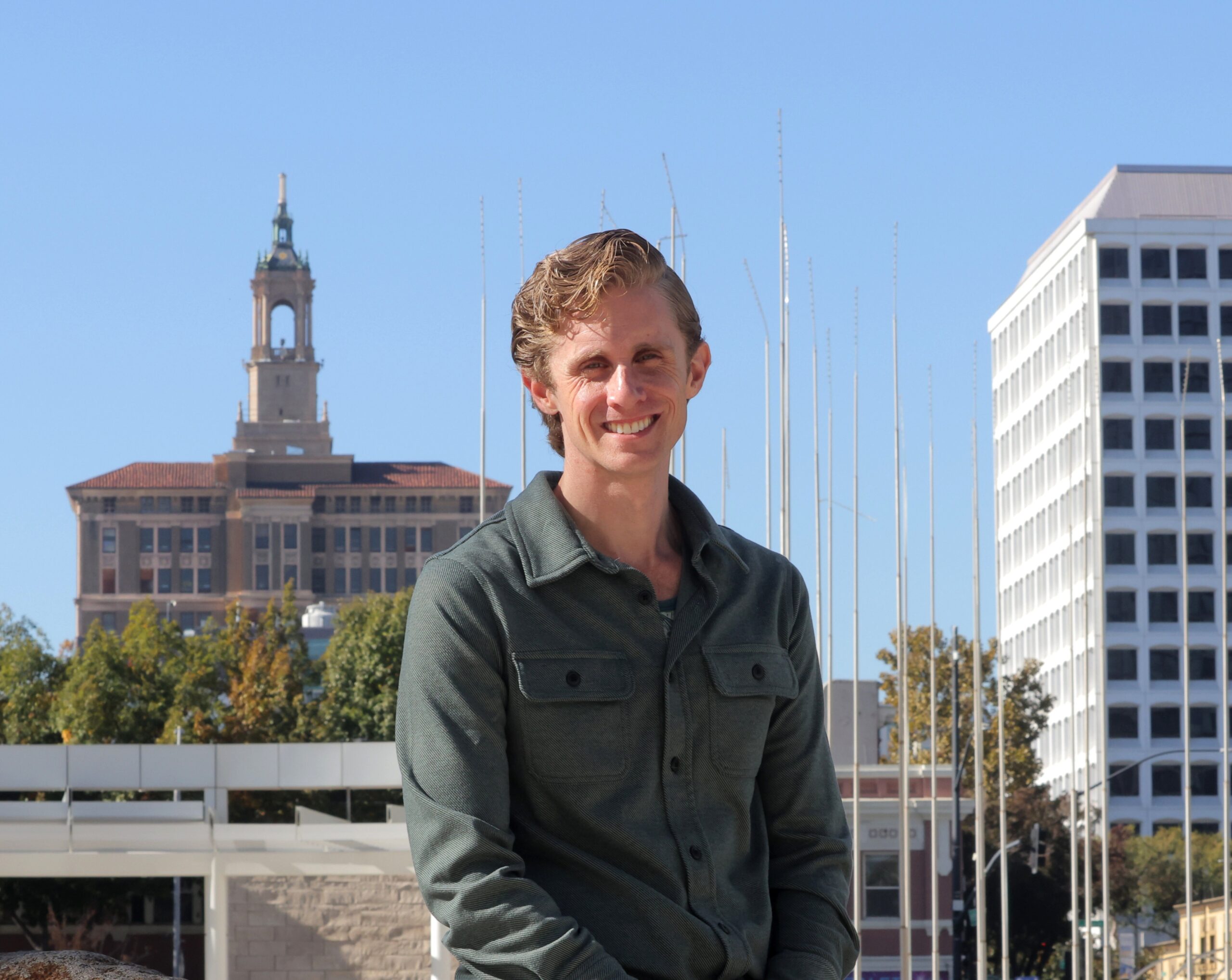
Erik Hayden, co-founder of San Jose-based real estate firm Urban Catalyst, estimates that with roughly 30 million square feet of office space still sitting vacant in Silicon Valley, it could take another decade to get back to full leasing.
“The ground floor is starting to get built,” Hayden told San José Spotlight. “It’s just going to be a long way until you’re done.”
Silicon Valley was especially hard hit when the COVID-19 pandemic forced offices to close down, setting off a yearslong experiment with remote work. But more than six years later, the work from home shift doesn’t appear to be the largest impediment to filling office vacancies, Joint Venture Silicon Valley President and CEO Russell Hancock said.
“That’s no longer the scapegoat,” he told San José Spotlight.
Hancock notes that many Silicon Valley employers have already brought their workers back to the office, lifting work-from-home rates in the region to about the middle of the pack nationally.
Instead, Hancock said the region’s empty offices are a symptom of another puzzling economic trend: a slowdown in local hiring that has persisted even as the tech sector has achieved massive growth.
“Silicon Valley companies — we’re growing. They’re extremely profitable, but they’re doing that by growing here at modest rates, but growing elsewhere at high rates,” Hancock said.
In part, he said that’s due to the current climate of economic uncertainty and the sudden rise of artificial intelligence, both of which have led companies to adopt more cautious hiring practices. Compounding such challenges locally, the South Bay’s cost of living makes it more expensive to hire workers in the region than elsewhere, Hancock said.
At the same time, the burgeoning AI boom seems to have driven some of the uptick in South Bay office leasing activity. AI companies such as OpenAI, Databricks and Crowdstrike have all inked major lease deals over the past six months.
The growing momentum in the South Bay’s rental market helped the region reach nearly 300 lease transactions covering 7.8 million square feet of commercial space in the first quarter of the year.
“That’s great, but it’s still just a drop in the bucket,” Hayden said.
The deals have also been unevenly distributed.
Some of the most desirable office markets, such as Palo Alto, Cupertino and Sunnyvale have largely recovered. Cupertino — the home of Apple where it continues to expand — has an office vacancy rate of just 3.4%, according to figures from real estate firm Cushman & Wakefield.
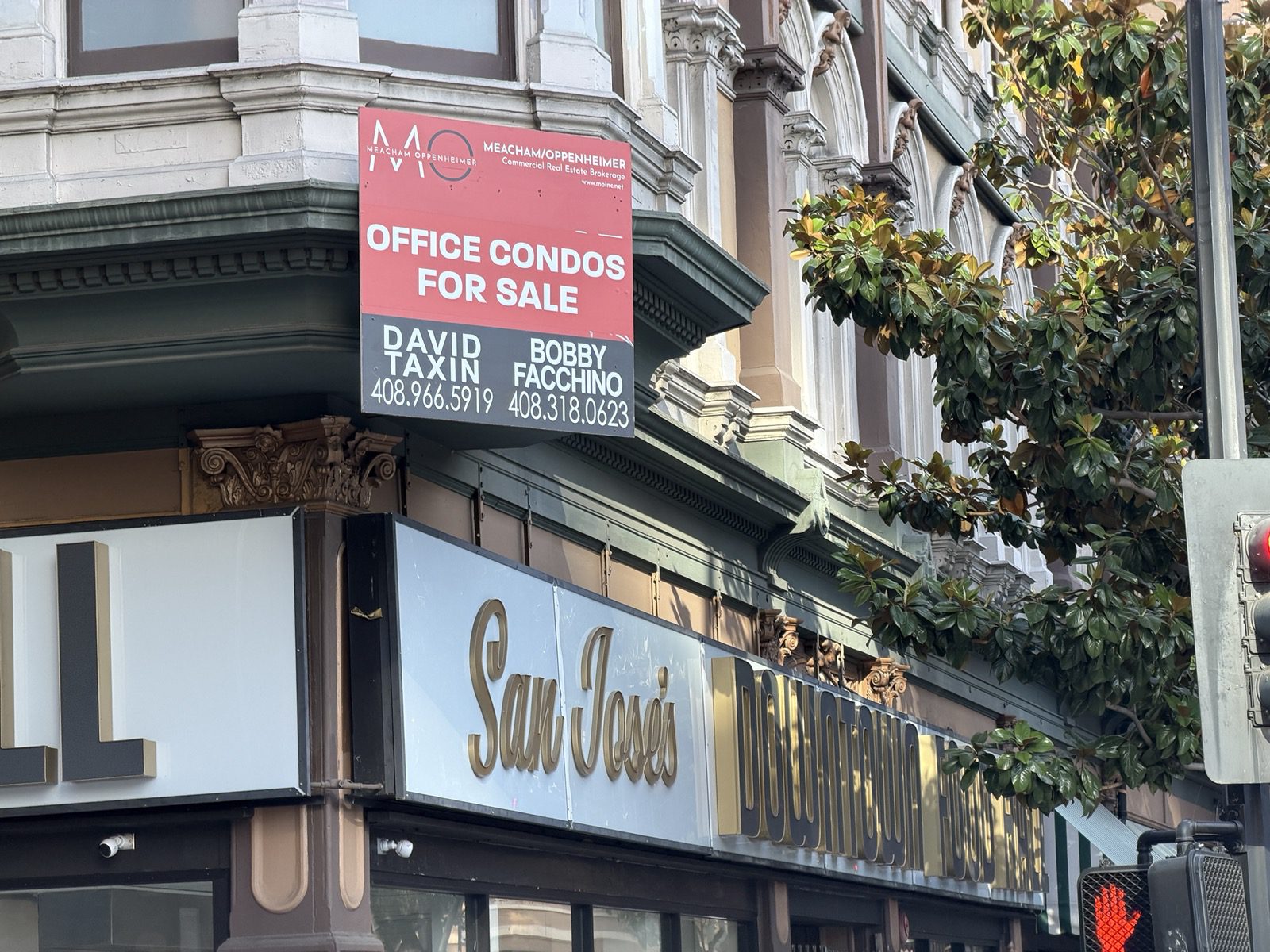
That contrasts sharply with the region’s lagging markets, such as downtown San Jose, Mountain View and Campbell, all of which still have vacancy rates 30% or higher.
“Downtown San Jose’s office market is going to be the most impacted for the longest duration, and it’s currently as bad as it’s ever been,” Hayden said.
Contact Keith Menconi at [email protected] or @KeithMenconi on X.
Leave a Reply
You must be logged in to post a comment.