

|
Obteniendo su trinidad de audio jugador listo...
|
With less than a month until the midterm elections, Americans are being offered competing visions for the country’s future. Questions about government spending, public safety, economic security and the role of federal institutions are dominating the political conversation. And homelessness, as it so often does, has become another battleground in a much larger ideological fight.
But while politicians debate what should happen to people experiencing homelessness, far less attention is being paid to what those individuals have to say about their own futures.
That disconnect was particularly striking last month, when hundreds of advocates and leaders gathered in San Jose for the Conferencia Nacional de Liderazgo en Experiencias Vividas. The gathering brought together people who have experienced homelessness to build political influence, strengthen leadership and shape the policies that directly affect their lives.
The timing could hardly have been more consequential.
La administración de Trump es fundamentally restructuring federal homelessness policy. The U.S. Department of Housing and Urban Development has announced significant changes to its $4 billion Continuum of Care funding program, shifting priorities toward treatment, recovery and transitional housing while challenging the Housing First approach that has guided much of the nation’s homeless response for years.
The changes have already generated legal challenges, creating uncertainty for communities that depend on federal resources to keep people housed. Meanwhile, the administration’s broader emphasis on public safety and enforcement has intensified an already contentious national debate about homelessness.
Estos son procesos decisiones trascendentales involving billions of dollars and hundreds of thousands of vulnerable Americans. Yet the national conversation remains overwhelmingly dominated by politicians, government officials and institutional advocates.
The people who have actually experienced homelessness deserve more than a supporting role in that discussion.
Consider the growing debate over whether treatment should precede housing. For someone struggling with addiction or serious mental illness, access to effective treatment can be lifesaving. But someone who has navigated homelessness can also explain what happens when treatment is unavailable, when program requirements become barriers or when a person loses their housing while trying to stabilize their health.
Those experiences should inform how programs are designed, funded and evaluated. They also complicate the convenient political narratives that too often reduce homelessness to a choice between compassion and accountability.
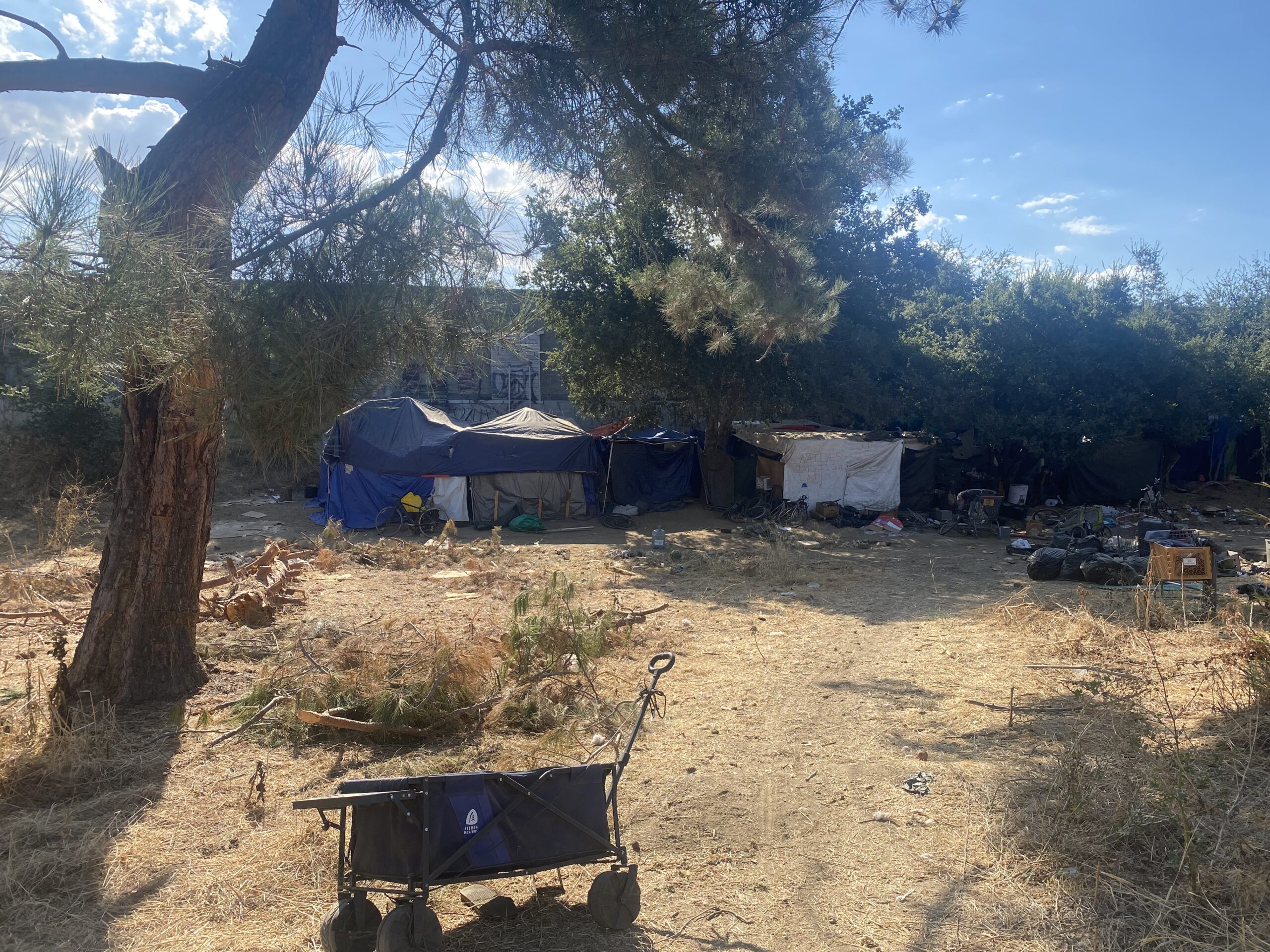
The same is true of encampment enforcement. Residents understandably want safe, accessible public spaces. But people who have experienced repeated displacement can explain what happens when medications, identification documents or connections to outreach workers disappear during a sweep. Their perspective doesn’t eliminate difficult policy choices. It helps policymakers understand their consequences.
This is precisely why the movement represented at the San Jose conference matters.
Earlier this year, a new National Lived Experience Leadership and Advocacy Board was launched, bringing together 15 leaders from across the country to influence homelessness policy. More than 300 people expressed interest in serving, demonstrating both the depth of available leadership and the demand for meaningful participation.
Here in Santa Clara County, the Consejo Asesor de Experiencias Vividas de Silicon Valley has been building that same leadership capacity since 2018. These efforts recognize something our political institutions too frequently overlook: Expertise isn’t limited to professional credentials or elected office.
But representation alone isn’t enough. Lived experience leaders need access to decision-making authority, compensation for their work and opportunities to influence funding priorities before decisions are finalized. Otherwise, participation risks becoming another exercise in checking a box rather than sharing power.
As voters consider the choices before them this November, they should demand more than competing promises about homelessness. They should expect candidates and elected officials to demonstrate how the people most affected by their policies will participate in shaping them.
That means asking who is helping write legislation, who sits on governing boards and whose expertise is valued when difficult budget decisions are made. The newly approved Plan comunitario para acabar con la falta de vivienda calls for this type of work, and collectively we should demand that it happens.
The stakes extend beyond homelessness. At a moment when Americans are questioning whether government listens to ordinary people, lived experience leadership offers something our democracy desperately needs: a meaningful connection between those exercising power and those who understand its consequences.
The people who have lived with the failures of our policies deserve more than a voice in the conversation. They deserve the power to change them.
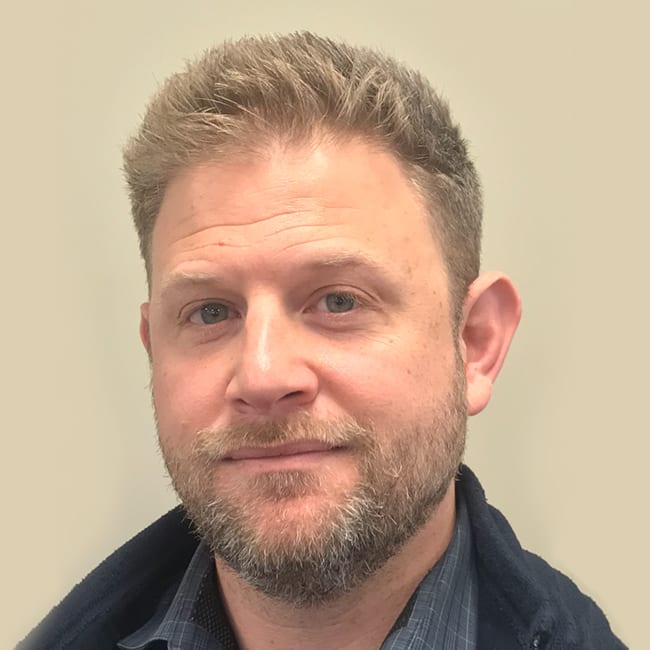
Ray Bramson, columnista de San José Spotlight, es el director de operaciones de Destination: Home, una organización sin fines de lucro que trabaja para erradicar la falta de vivienda en Silicon Valley. Sus columnas se publican el segundo lunes de cada mes. Puedes contactar a Ray en [email protected] o seguirlo en @rbramson en X.
Deje un comentario
Debes iniciar sesión para publicar un comentario.