

|
Obteniendo su trinidad de audio jugador listo...
|
In the years after Google paused work on its multibillion-dollar mega campus west of downtown San Jose, the tech giant has pivoted to a strategy of activating the land — at least temporarily — with a cluster of food and entertainment businesses.
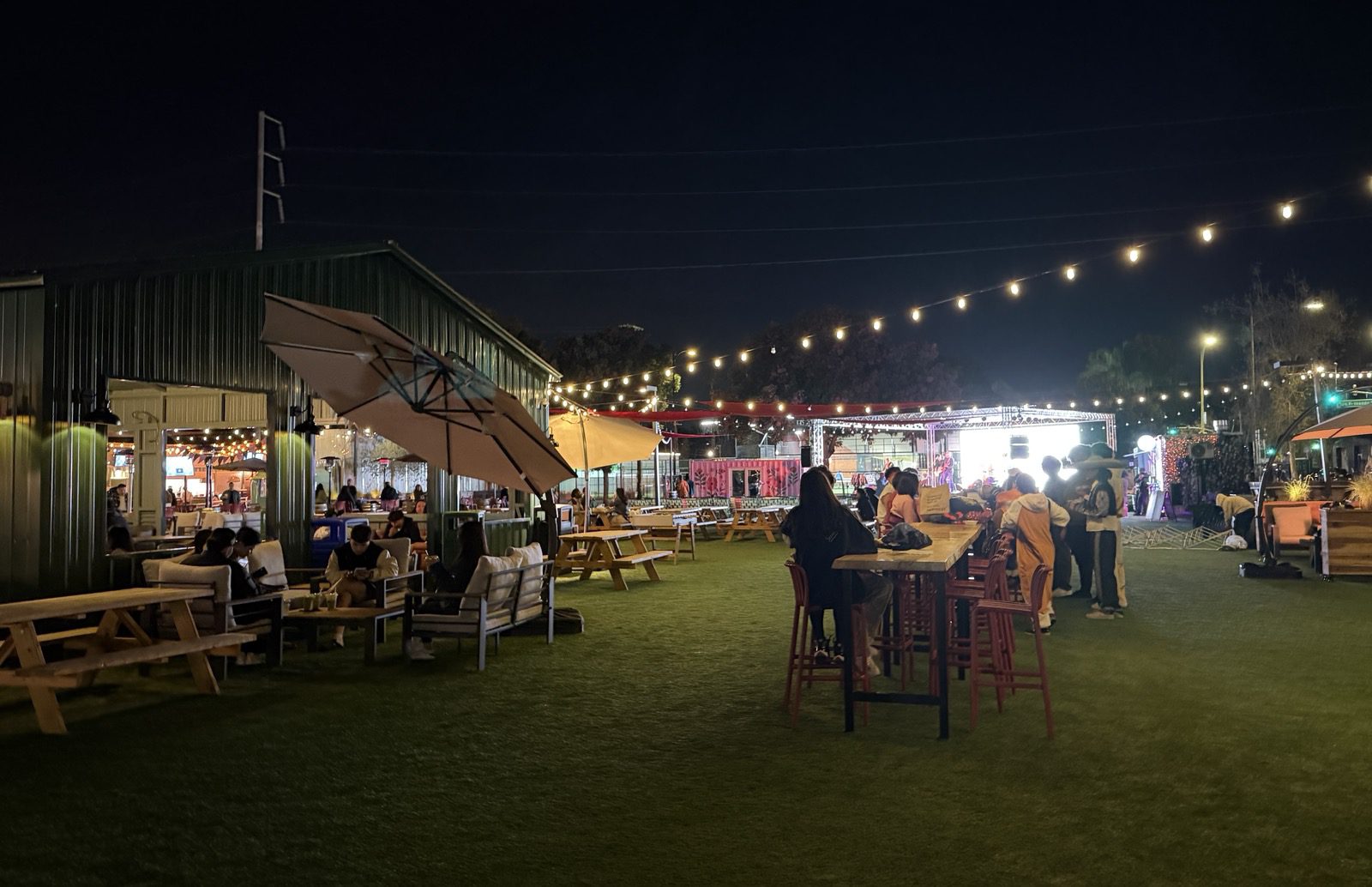
The latest addition to the project site, known as Centro oeste, is SPARK Social San Jose, an outdoor community gathering space boasting food trucks and an array of amenities that opened in October to great fanfare. SPARK Social marks the eighth business venture to launch in the grouping of properties near Estación Diridon, which Google has come to call the Creekside neighborhood.
While there are no signs that Google’s once-heralded development dream to create thousands of new homes and jobs within walking distance of a major transit hub is any closer to convirtiéndose en realidad, the new businesses are winning plaudits for revitalizing a long underdeveloped part of town.
“For the most part, everyone loves what is going on at Creekside,” Bert Weaver, a member of the Delmas Park Neighborhood Association board of directors, told San José Spotlight. “The area has been activated to a fantastic level that none of us could have anticipated.”
Popular new offering
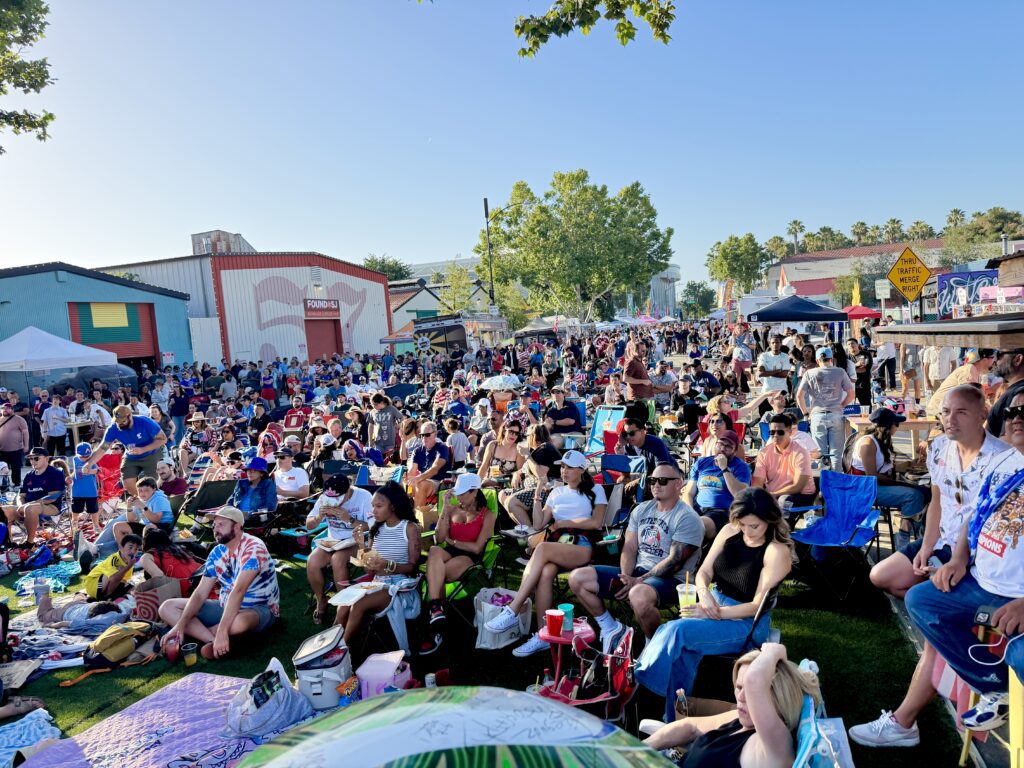
SPARK Social drew 15,000 visitors during its opening weekend alone, according to a Google spokesperson. The broader Creekside project — which also includes a thrift shop, a nonprofit bike shop, a recreation center for dogs, and Bay Padel, which hosts a sport that’s a cross between tennis and squash, among other businesses — has attracted 50,000 visitors over the 12-month period ending in October.
SPARK Social is intended as a family-friendly entertainment option. In addition to the small fleet of food trucks, it also offers mini golf and play areas, and hosts live music acts as well as a running series of community events.
“The trucks are doing record numbers. They’re constantly selling out,” SPARK Social San Jose owner Carlos Muela told San José Spotlight. “They have to re-prep a bunch of food. They open back up. They sell out again.”
Muela already runs a SPARK Social location in San Francisco’s Mission Bay neighborhood, which has operated for 10 years on a site designated to one day become a public park. The San Jose location is also operating on an interim basis, meaning it’s unclear how long it will remain in place.
“I hope it opens a lot of people’s eyes to seeing that downtown and this part of downtown in general has a lot of potential for other businesses to come in,” he said. “There is a big appetite for things like this.”
Rene Chavez, the owner of East San Jose Mexican restaurant Tanchito’s, said operating a food truck at SPARK Social has been a major help for his business during a time when the hospitality industry as a whole has been struggling.
“It’s been better here than the restaurant for sure,” Chavez told San José Spotlight. “When there’s events like Sharks games or 49ers game, it gets really crowded.”
Downtown West delayed
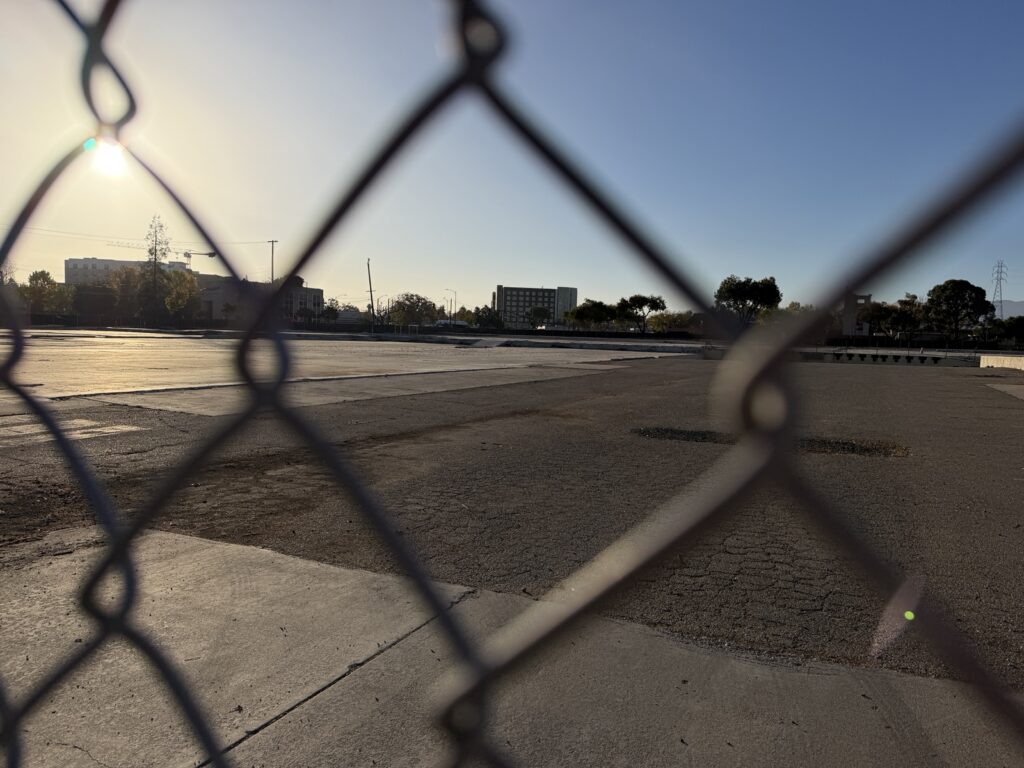
Plans for Downtown West, first proposed by Google in 2019, span 80 acres and call for 7.3 million square feet of office space, 4,000 homes, 15 acres of parks and a 30,000-50,000-square-foot community center.
El Ayuntamiento de San José aprobó el proyecto in 2021, and soon thereafter demolition work began. It resulted in teardowns of longstanding businesses, such as Patty’s Inn, a pub that had operated for more than 80 years on the land SPARK Social now occupies.
But just two years later, before any new construction had taken place, informes surgieron that Google was pausing its development plans as it laid off thousands of workers amid the economic disruptions unleashed by the COVID-19 pandemic.
The news came as a major blow for downtown boosters, who had hoped the projected 25,000 new jobs along with the project’s $200 million community benefits package would provide a much-needed economic boost for San Jose.
Continued economic headwinds — including the high cost of building materials and competition for construction funding from los centros de datos — make an immediate return to construction work unlikely, local real estate experts said.
Still, many local observers remain convinced that once market conditions improve, the company will ultimately move forward with the project.
A Google spokesperson did not directly answer questions about a possible development timeline.
“We are working closely with city officials and stakeholders on the future of Downtown West, while continuing to activate the site through spaces like Creekside that support San Jose’s community needs,” the spokesperson told San José Spotlight.  Among those cheering the addition of the Creekside businesses is South Bay Congressman Sam Liccardo, who led San Jose as mayor while plans for Downtown West coalesced. He notes that even without construction, the project has already brought financial benefits to the city.
“Because of what Google paid public agencies for the land, and because of the reassessments of all that land value, regardless of who owned it, we now have a much higher tax base to support critical city, county and school district services,” Liccardo told San José Spotlight.
Google also continues to invest in other properties throughout San Jose, including North San Jose’s Meadow Point campus and the nearby Tasman campus, a company spokesperson said.
Despite the widespread enthusiasm, some local business boosters remain eager for the full Downtown West vision to get underway.
“New ground-floor businesses are essential, but they are only part of the equation,” San Jose Downtown Association CEO Brian Kurtz told San José Spotlight. “Downtown’s long-term success depends on economic investments that deliver more housing, more entertainment and better quality of life, creating the conditions that draw employers and visitors to downtown.”
Comuníquese con Keith Menconi a través de [email protected] o @KeithMenconi en X.
Deje un comentario
Debes iniciar sesión para publicar un comentario.