


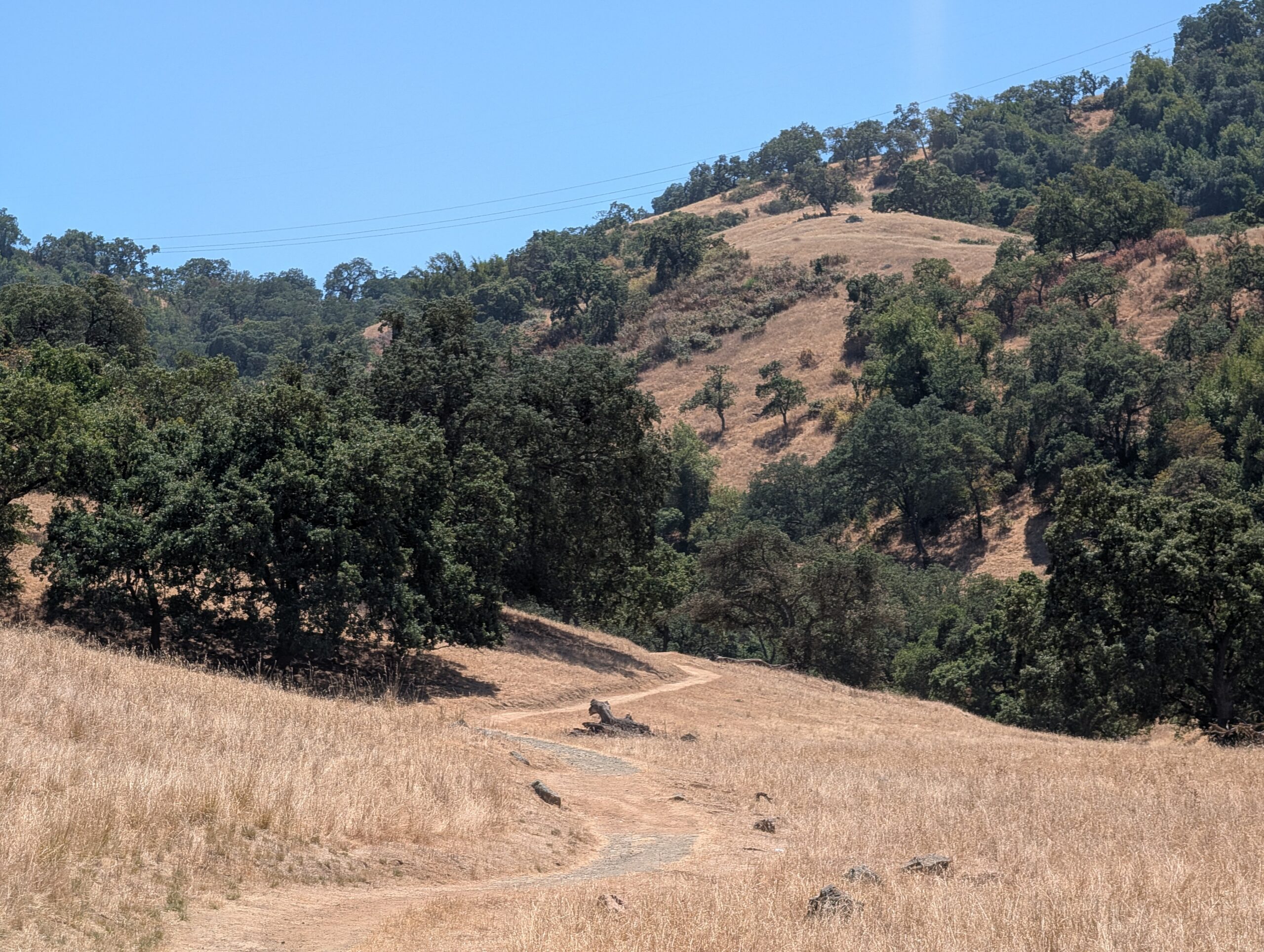
A group that works to preserve open space in Santa Clara County will receive millions of dollars every year toward its efforts, following the approval of a parcel tax.
Measure D will generate $17 million annually through a two-cent-per-square-foot of building area parcel tax to fund creek and water restoration, land stewardship, expansion of open space and trails, wildlife habitat protection and the preservation of local agricultural lands. Voters on June 2 approved the tax, which applies to property owners within the boundaries of the Santa Clara Valley Open Space Authority, which includes San Jose, Milpitas, Campbell, Santa Clara and Morgan Hill.
The average single-family residence is expected to pay an additional $32 annually under Measure D, with a maximum tax cap per parcel of $7,500 and exemptions for older adults and low-income property owners. It’s expected that commercial and industrial property owners will pay more, but are also covered under the $7,500 cap.
Kathy Sutherland, chair of the board of the Santa Clara Valley Open Space Authority, said the money will provide long-term support that can be used for preserving land from development and managing vegetation to reduce wildfire risk.
“We are here to protect the land, to make sure it’s always available for people to enjoy,” Sutherland told San José Spotlight. “By passing this measure, residents made it clear that protecting nature is a priority we all share.”
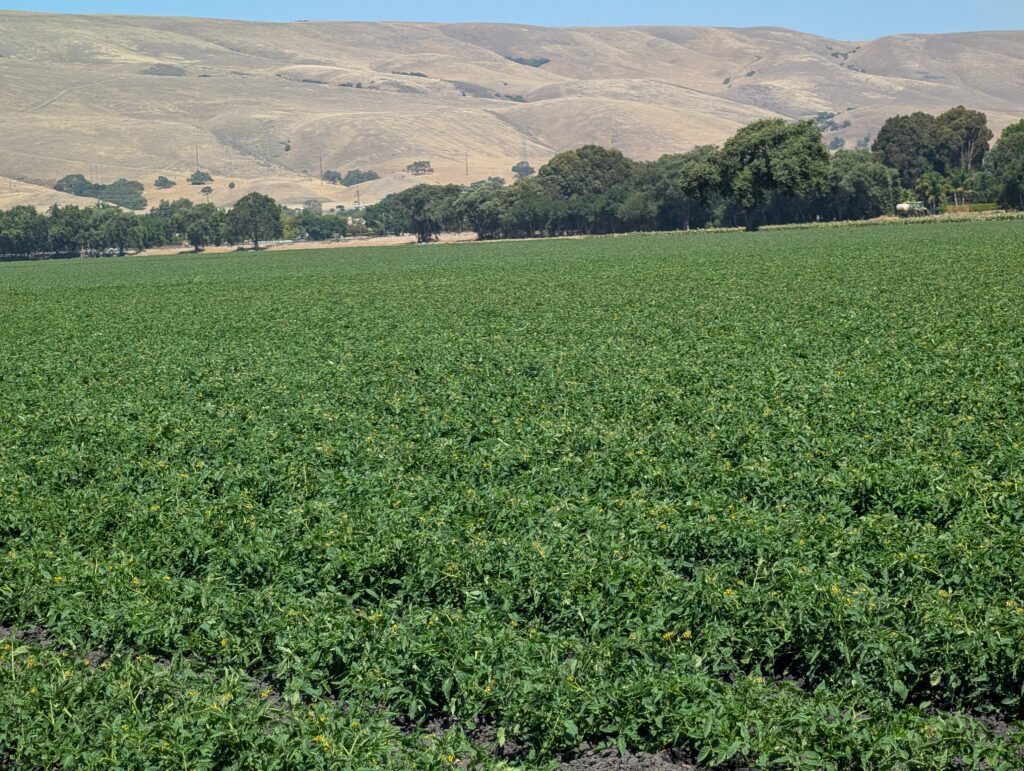
The open space authority manages approximately 30,000 acres, and expects to absorb an additional 4,000 acres in the next five years. It works with Peninsula Open Space Trust, the Santa Clara County Parks and Recreation Department and the Santa Clara Valley Habitat Agency to pool funds to buy land.
Andrea Mackenzie, general manager of the open space authority, said local dollars from Measure D will help unlock larger investments.
“Those monies are seeding collective efforts and partnerships,” she told San José Spotlight. “When we apply to federal or state governments, or even foundations for grants, they want to know there’s a local source of funding, a local match for that. We protect these lands for the public benefit and the benefit of nature, but we manage these lands in perpetuity.”
Mark Hinkle, president of Silicon Valley Taxpayers Association, which argued against Measure D, said the parcel tax goes against the California Constitution regarding Proposition 13, which requires a two-thirds vote.
“The courts have said if it’s a citizen’s initiative, that it requires a simple majority,” Hinkle told San José Spotlight. “It wasn’t a groundswell of voters. It was paid special interest.”
Hinkle said the additional tax would also be harmful for those on fixed incomes.
“Here in Silicon Valley, the cost of housing is outrageous,” he said. “People said, ‘Oh, it’s just one little cost. Last time I looked at my property tax statements, there were 19 different line items and it totaled over $10,000. So, I’m literally spending over $800 a month on property taxes.”
Last September, former Santa Clara County Supervisor Ken Yeager, Valley Water Board Director Shiloh Ballard and Green Foothills Executive Director Julie Hutcheson started a signature-gathering effort, which on Feb. 10 successfully qualified the tax measure for the June 2 primary ballot.
Hutcheson said although Green Foothills advocates for protecting important landscapes, it doesn’t purchase the land. Having agencies that can purchase, protect and steward it such as the open space authority is critical to Green Foothills’ mission.
“South County has plenty of open space and farmland, and that needs protection,” she told San José Spotlight. “It’s critical that the open space authority have the funding it needs to continue the really important work it does. Nature isn’t a nice-to-have. It’s a necessity. We have to have that balance between development and our green spaces.”
Others said the measure will worsen living costs for residents under the open space authority’s jurisdiction.
“Every government agency always has a story to tell about why they need more money. Sometimes the stories even sound plausible, each one by itself,” Joe Dehn, chair of the Libertarian Party of Santa Clara County, previously told San José Spotlight. “But add up all the new taxes and borrowing, and it’s no surprise that more and more people can no longer afford to live in Santa Clara County. We can’t all live off our neighbors by demanding they pay for everything we would like to have.”
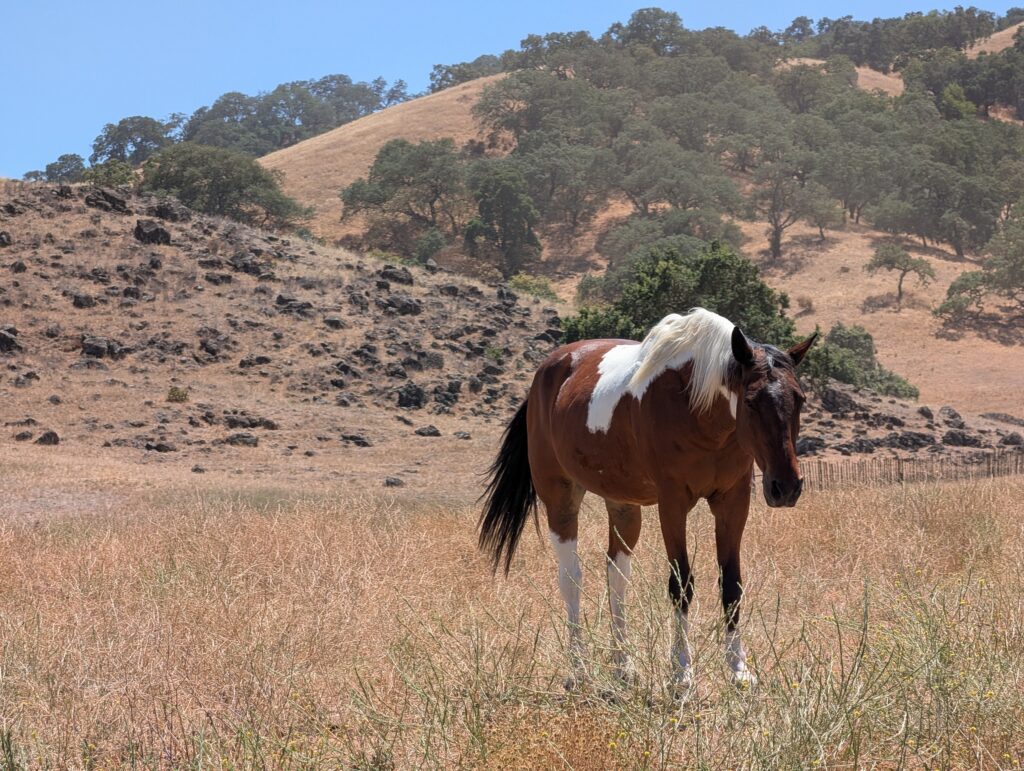
The measure will help preserve space in places such as Coyote Valley.
Santa Clara County and San Jose have invested millions of dollars into protecting Coyote Valley, located in South County between San Jose and Morgan Hill. In 2019, San Jose committed $46 million in city funds for land sales to conserve 937 acres for flood protection and safeguarding the valley’s ecology. With the Peninsula Open Space Trust pitching in $42 million and the Santa Clara Valley Open Space Authority contributing $5 million for the land sales, this represents $93 million committed to protecting the valley.

Mackenzie said Coyote Valley offers multiple benefits, such as reducing floods, recharging groundwater aquifers, filtering air and water and providing a place for people to lower their blood pressure. The open space authority plans to build new trails, restore wetlands for water resources, protect and implement wildlife corridors and ensure agriculture is more viable.
Coyote Valley regularly faces development threats, Mackenzie said, from proposed battery storage facilities to industrial scale cemeteries.
The California Public Utilities Commission voted unanimously on March 19 to allow LS Power Grid California to construct a transmission line and terminals at the existing Metcalf substation, rather than building a new site in Coyote Valley. Advocates had warned building a new power substation could become an environmental hazard and threaten wildlife. Still, Heritage Oaks Memorial Park plans to shave hillsides to create a large cemetery in Coyote Valley. The developer applied for a permit to move forward with construction on more than 100 acres.
“Our open space lands are the path of least resistance of … uses that don’t belong there,” Mackenzie said. “That landscape overlays the drinking water supply for 1.4 million people. The aquifer is very near the surface. So, when you have inappropriate development out there, you risk contaminating our water supply.”
Mackenzie said Coyote Valley has value as a wildlife movement corridor between the Santa Cruz Mountains and the Diablo Range, as well as a site for local food production and recreation.
Sutherland said the $17 million will help keep Coyote Valley accessible for residents.
“The voters voted their values … and collectively, we all value open space,” Sutherland said. “That’s a great win.”
Contact Lorraine Gabbert at [email protected].
Leave a Reply
You must be logged in to post a comment.