


Silicon Valley is the heart of American innovation, of California’s cutting-edge technology and, most recently, of transportation.
As tech giants and startups compete to define the future of mobility, San Jose again finds itself at the center of a revolution that is already transforming the ways we live and move. This is more than a moment — it’s a once-in-a-generation opportunity to shape a transportation future that reflects the values and strengths of the Bay Area.
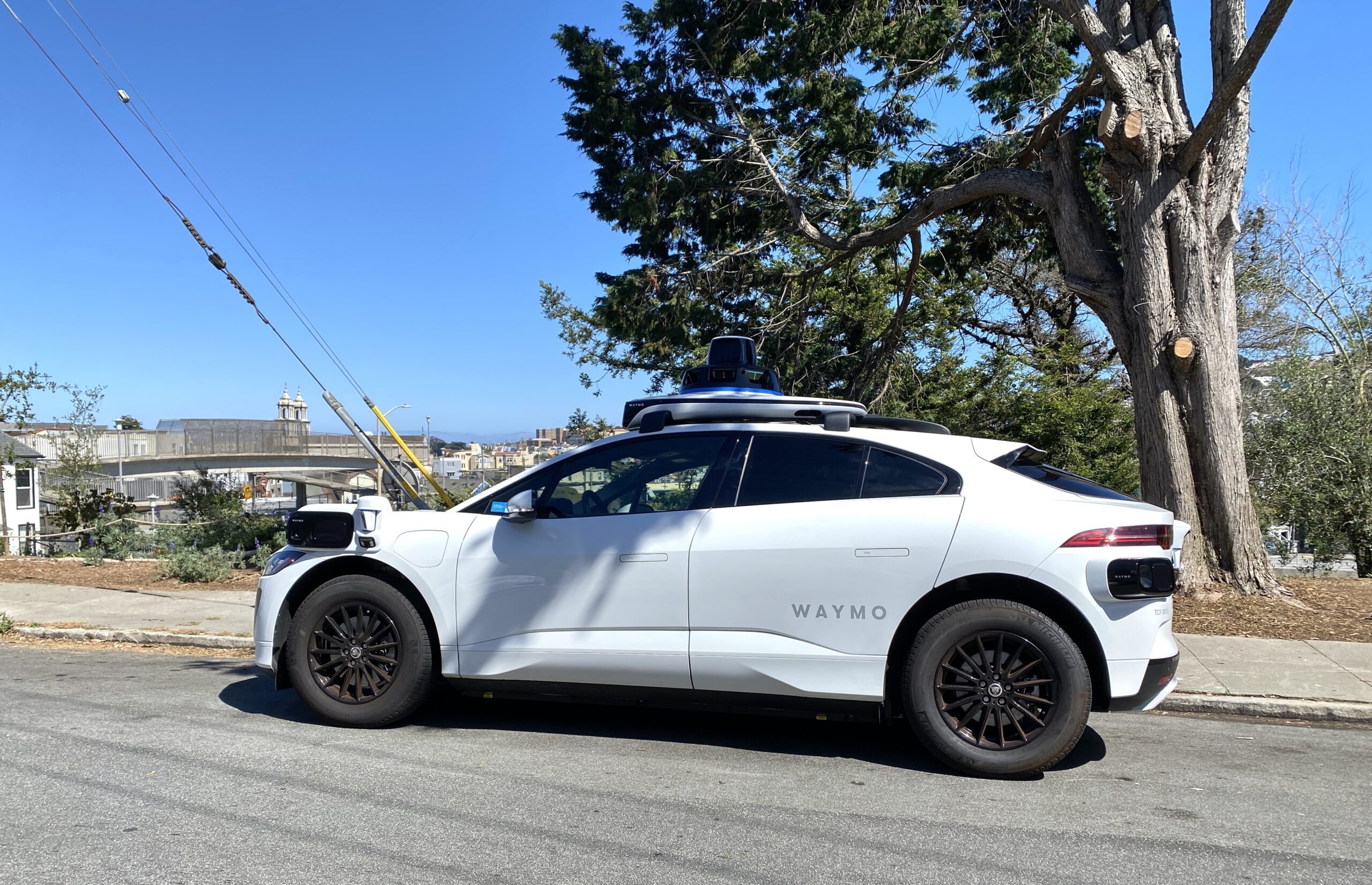
Earlier this year, San Jose gave Waymo the green light to start introducing its autonomous vehicles to our city’s streets. The Google-owned company, which calls itself the “world’s first autonomous ride-hailing service,” has already brought driverless taxis to Los Angeles and San Francisco, as well as Atlanta, Austin and Phoenix. The fully electric vehicles are available 24/7 and, of the millions of rides thus far, boast impressive safety stats compared to the average human driver. These include 88% fewer serious vehicle crashes and 93% fewer pedestrian crashes with injuries.
Building on this spirit of innovation and the growing demand for personalized, efficient mobility options, San Jose Connection Partners — a consortium including Glydways — gained unanimous approval from the San Jose City Council to move the Diridon–Airport Connector into Phase 2a of project development. Ultimately, the project will connect Diridon Station with San Jose Mineta International Airport with on-demand fully electric autonomous Glydcars operating on closed-network dedicated pathways.
This ADA-compliant system will be able to move “thousands of passengers per hour, per direction, offering 24/7 service with zero emissions,” thus providing much-needed, cost-effective relief to our growing airport and related congestion. This service will provide accessible, sustainable and scalable urban mobility that may have the power to change connectivity in the Bay Area and beyond.
While ground-based innovations are transforming how we move on the surface, the next frontier is taking shape above us as advanced air mobility companies like Joby Aviation are inching closer to another mobility option that not long ago seemed like science fiction.
Joby — which began as a startup in the mountains of Santa Cruz and these days has partnered with NASA, Toyota, Uber, Delta and the U.S. Airforce — is developing electric air taxi service for commercial passengers using vertical takeoff and landing technology. With more than 30,000 miles flown on full-scale prototype aircraft, Joby is now engaged in a multi-year testing program with the Federal Aviation Administration to certify its aircraft. It is making progress toward connecting people to where they need to be while bypassing ground congestion altogether and opening up entirely new economic and mobility opportunities.
While these technologies may seem futuristic, their presence in our daily lives is rapidly approaching. Now is the time to examine the realities of the benefits and challenges they will bring.
The potential benefits of these innovations — reduced traffic, lower emissions, improved access — are significant. However, the accompanying challenges are notable too. For one, these new ways of moving may be costly, especially in the short run, and because of increased costs may end up being less accessible for some communities.
For instance, Waymo rides in established cities cost an average 41% more than Lyft and 31% more than Uber — although other metrics give Waymo the advantage. Commercial air taxi rides are slated to cost roughly $110 to $170 for a 25-mile flight per passenger, close to the cost of an Uber Black ride. The average bus ride, by comparison, costs approximately $7.50 for a day pass in San Jose.
Now is the time to prepare for a major shift in the ways we move. We need in-depth research and candid discussions for defining how new technologies interact with existing infrastructure and societal needs. That means asking not just what we can do, but what we should do — and for whom.
The choices we make today will shape who has access, opportunity and mobility tomorrow.
San José Spotlight columnist Karen E. Philbrick is the executive director of the Mineta Transportation Institute, a research institute focusing on multimodal surface transportation policy and management issues. Her columns appear on the first Thursday of every other month.
Leave a Reply
You must be logged in to post a comment.