


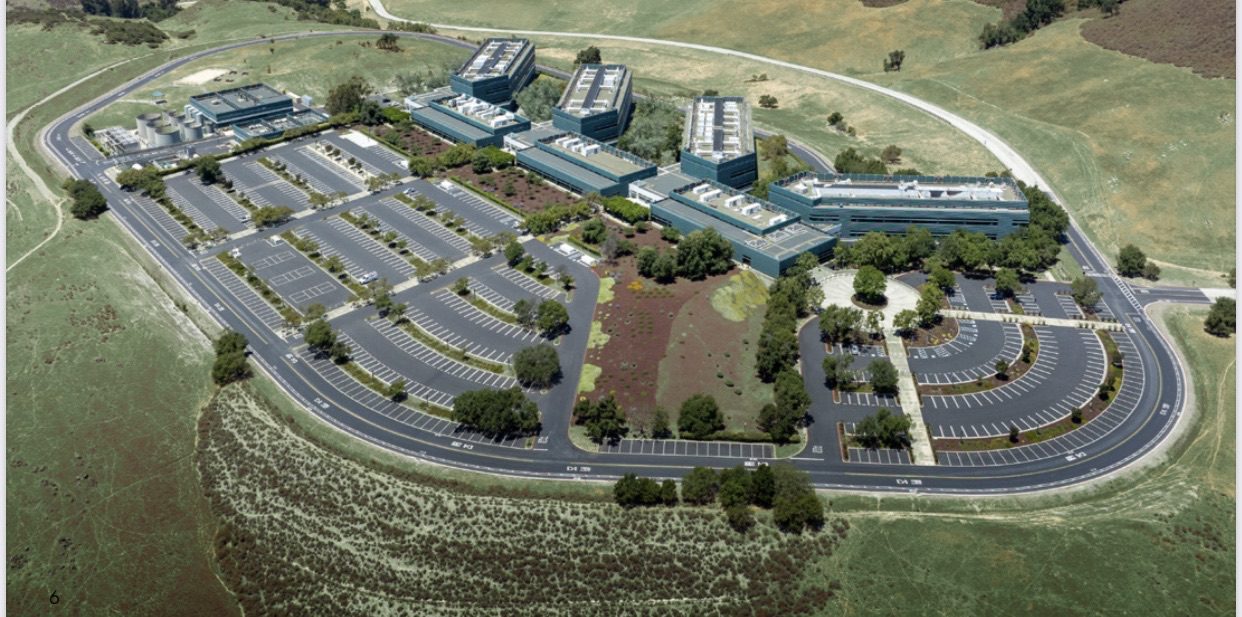
Residents are voicing concern about the rezoning of the former 35-acre IBM Almaden Research Center nestled in the rolling hills of South San Jose. They fear it will attract more data centers to the region.
The San Jose City Council sees it differently and voted 9-2 to approve the industrial park rezoning on Aug. 18. Councilmembers Rosemary Kamei and Pamela Campos voted against it and called for the vote to be postponed to allow for more community input. The majority of councilmembers declined to delay the decision, despite residents and environmental groups urging for a pause until future development plans are known. The community argued uniform standards for data center projects in the city are needed first.
Councilmember George Casey, whose District 10 encompasses the former IBM site, said he wants the land to be productive economically and sees no reason to wait.
“I don’t want to be performative about it and just give folks an opportunity to vent when they’re not actually going to change anything,” Casey said at the meeting. “We’re not actually having a conversation about data centers right now. This is a step toward that, I want to acknowledge that. But we’re not having a data center conversation at the moment.”
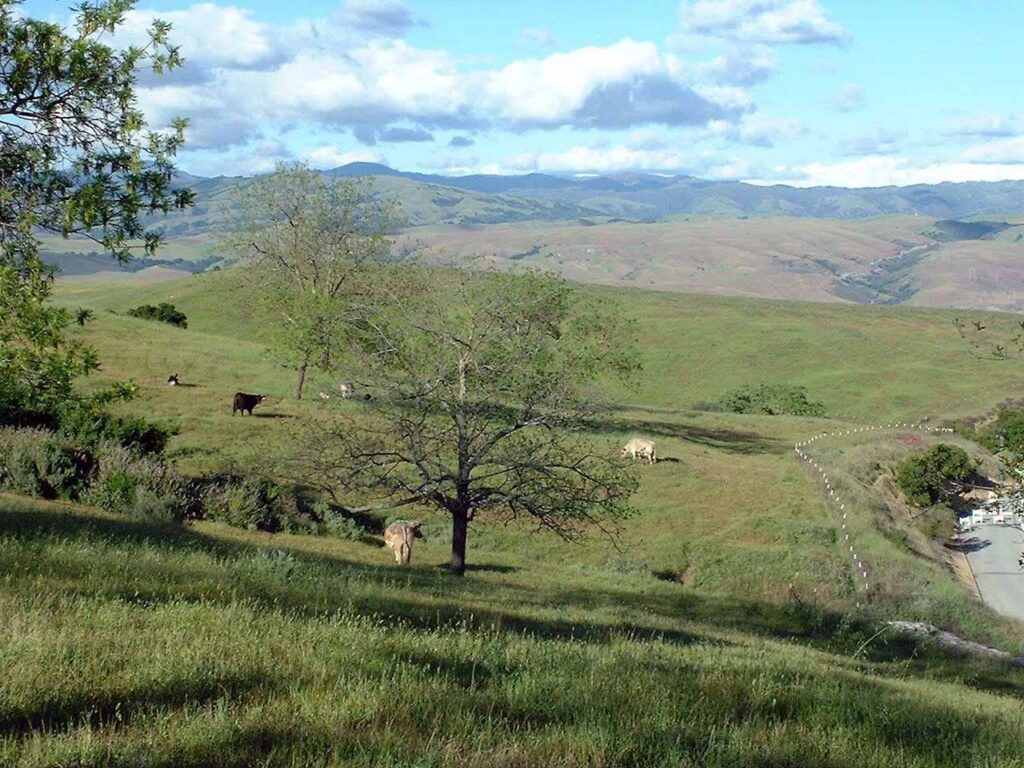
Land use consultant Erik Schoennauer, who represents IBM, said the rezoning aligns with San Jose’s general plan, bringing it into the 21st century. He said rezoning allows for 35 acres surrounded by 565 acres of open space to be repurposed for productive use in an efficient timeframe.
“The sale of the property and ultimate reuse of the existing facility will generate significant tax revenue to the city,” he told San José Spotlight, “which the city can use to hire police officers, build affordable housing, maintain streets and parks and other city services.”
Campos said elected leaders must think about the long-term impact of their land use decisions and how that will change the future environment.
“Every decision we take must be a reflection of our community, represent their interests and advocate for their needs,” she told San José Spotlight.
In a joint letter to the city council, environmental groups such as the Sierra Club, California Native Plant Society and Mothers Out Front said the rezoning would be consequential, because Senate Bill 131 exempts advanced-manufacturing facilities on land zoned for industrial use from California Environmental Quality Act (CEQA) review. The letter said residents deserve full disclosure and consideration of the legal, environmental and land-use consequences of the rezoning.
Alice Kaufman, policy and advocacy director for Green Foothills, said concerns about the effects of industrial development are much greater at the IBM site because of the surrounding open space.
“Part of the problem is that we don’t know what could be proposed there,” she told San José Spotlight. “It could be a data center. It could be any other type of industrial use.”
Developing the land could result in increased traffic, Kaufman said — and if a data center is built, generators would contribute to air and noise pollution, which would negatively affect people and wildlife. She pointed out that rezoning more often occurs when a final project is approved.
“In this case, the council was asked to do the rezoning in advance,” Kaufman said. “It was within their discretion to decide to wait. We’re disappointed that they decided not to.”
Shani Kleinhaus, environmental advocate with the Santa Clara Valley Bird Alliance, said the industrial park zoning makes the site more attractive to potential buyers, but could have a negative effect.
“The rezoning may let industry avoid CEQA, leaving the community to bear the environmental and public health costs,” Kleinhaus told San José Spotlight. “Without CEQA review, the city and public could lose important tools for requiring transparency, studying alternatives and mitigating significant impacts.”
Contact Lorraine Gabbert at [email protected].
Leave a Reply
You must be logged in to post a comment.