


|
Getting your Trinity Audio player ready...
|
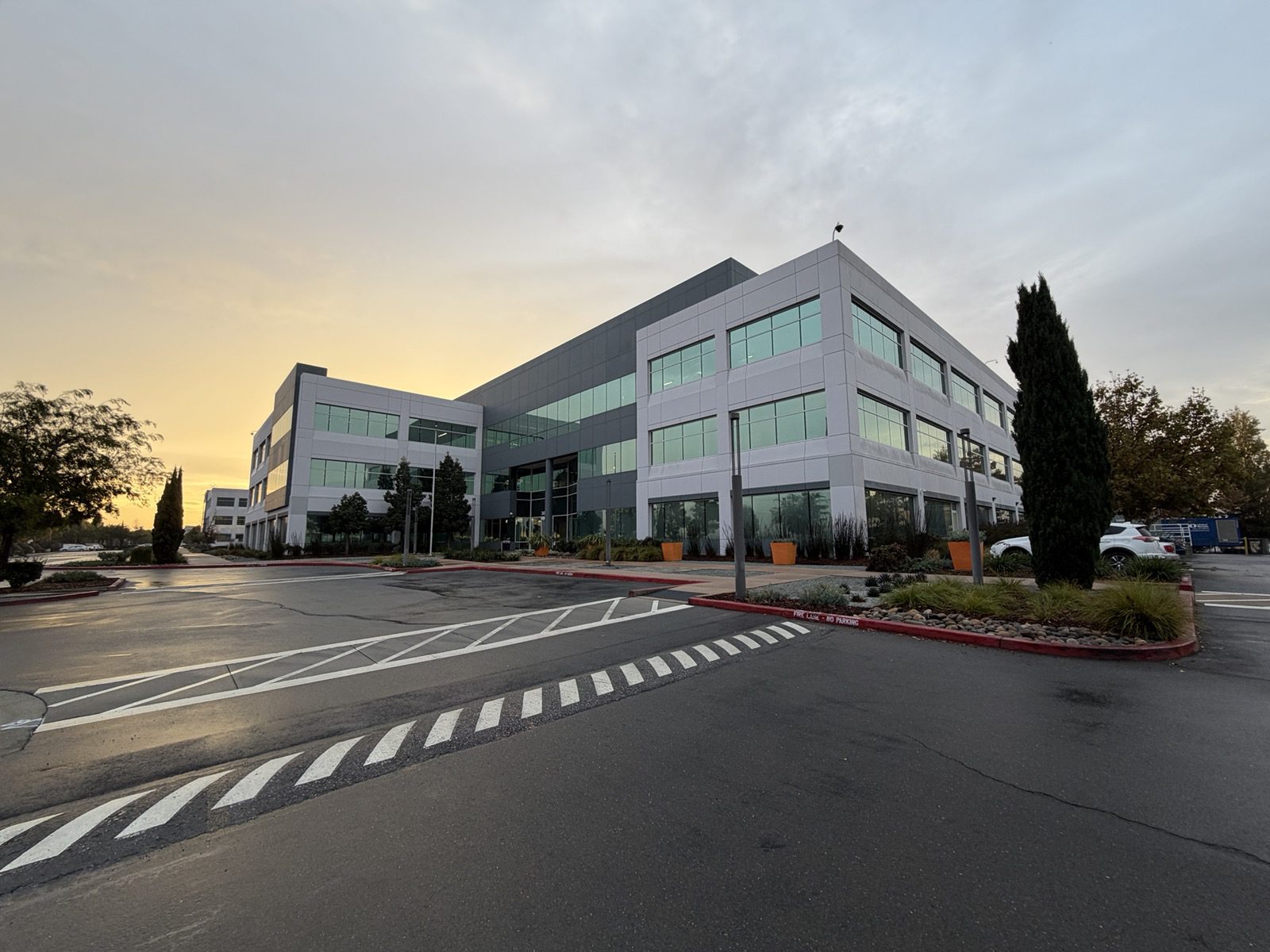
A proposal to reclassify a research facility in North San Jose as a data center is moving forward, after the San Jose City Council rejected an appeal attempting to block the project on environmental grounds, amid a citywide backlash against data center developments.
Councilmembers voted unanimously Tuesday — with Councilmember Peter Ortiz absent and Vice Mayor Pam Foley recused due to a financial conflict of interest — to quash the appeal from a coalition of labor groups and concerned residents. They sought to overturn city planners’ July 8 decision to approve a special use permit to operate a data center using up to 20 megawatts of power within an existing research and development building at 300 Holger Way. The permit would allow for interior improvements including the installation of data racks.
The facility located just south of Highway 237 is leased to chip maker NVIDIA, which uses it for research and development work, according to the property’s owner, real estate investment firm Menlo Equities.
Representatives for the labor-backed group behind the appeal, Citizens for Responsible Industry, argued the project moved forward without undergoing proper environmental review, and warned the facility’s potential noise and air pollution could harm nearby residents.
But city planners contend no such review is needed because the permit only grants permission for interior changes to the existing building on the project site and does not authorize any new construction. As a result, the project does not pose any environmental risks, they said.
Erik Schoennauer, a land use consultant representing Menlo Equities, pushed back against concerns that the permit would lead to the same kind of large-scale data center that has sparked opposition elsewhere in the city. Instead, he said the permit will provide regulatory cover for research that is already taking place at the property.
“For years, NVIDIA has operated the existing chip testing lab within this building,” Schoennauer told San José Spotlight. “The existing chip testing lab includes a data hall and is supplied with 8.5 megawatts of power. NVIDIA plans to continue this existing operation going forward.”
Menlo Equities officials said they fear that such chip testing work could qualify the property as a data center under the city’s broad definition for such facilities, which includes all developments that house computer systems and associated components. Without gaining explicit approval for data center operations from the city, they voiced concern the research activities could potentially face legal challenges.
But opponents of the permit said it paves the way for a project that is far more expansive than backers are suggesting.
Kelilah Federman, an attorney representing Citizens for Responsible Industry, said a data center using 20 megawatts would require significant infrastructure upgrades that inherently pose environmental risks, and therefore the application should have been subject to more rigorous review.
“The city’s artificially narrow definition of the project ignored basic electrical and mechanical infrastructure required to support data centers, including power distribution and energy use, uninterruptible power supply and cooling systems that allow high density computing equipment to operate continuously,” Federman said at Tuesday’s meeting.
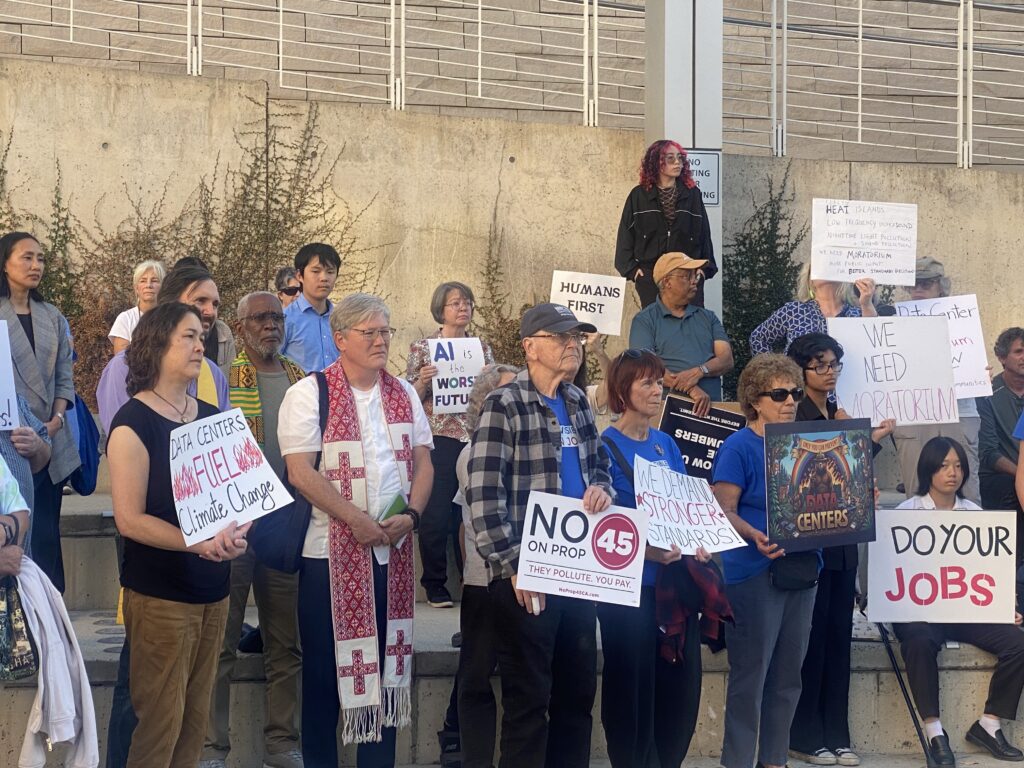
The permit fight has run headlong into a charged citywide conversation about data centers and their environmental impacts as San Jose’s leaders works to hammer out standards regulating their permitting an operation, including limits on water and energy use. The city publicly presented draft regulations for the first time earlier this month.
Some concerned residents also spoke against the project. Linda Hutchins-Knowles, co-founder of environmental advocacy group Mothers Out Front Silicon Valley, said councilmembers’ decision has added to doubts that city leaders are willing to protect residents from the potential harms of data centers.
“We’re very disappointed in council’s denial of the well-founded appeal,” Hutchins-Knowles told San José Spotlight. “Adding a data center to this existing site is likely to harm nearby residents and the environment with increased air and noise pollution.”

But city officials insist such objections go beyond the scope of the work covered by the permit. They said the property owner would need to apply for another permit if they decided to add any new equipment to the site.
Menlo Equities granted NVIDIA a 10-year lease to operate at the site about two years ago, and since then the company has spent $100 million remodeling the building for the purpose of testing and research on their computer systems, Jane Vaughan, a partner at Menlo Equities, said at the meeting. However, she said regulatory uncertainty from San Jose’s data center rules has made it difficult to attract more investment to the property.
District 4 Councilmember David Cohen, who represents North San Jose where the project is located, agreed the city’s definition of data centers needs an update.
“I’m frustrated that we’re having this conversation because we’re actually talking about a building that’s not a data center, but we have a very strange definition of data center in our city code,” Cohen said at the meeting. “We have confused the public and neighbors and unnecessarily alarmed people by the fact of this definition, having led to this application.”
Contact Keith Menconi at [email protected] or @KeithMenconi on X.
Leave a Reply
You must be logged in to post a comment.